

Preston Ford Commercial Vehicle Center

Blog / Preston Ford Commercial Vehicle Center Service

The Ultimate Fleet Maintenance Plan: Maximize Uptime, Minimize Costs

Fleet Maintenance Plan

All You Need to Know: Understanding Fleet Maintenance Planning and Scheduling

What is fleet maintenance, and why is it important? Fleet maintenance is the process of maintaining and repairing a fleet of vehicles to ensure they are in good working condition. A well-planned fleet maintenance program is essential for reducing maintenance costs, improving vehicle safety, and increasing fleet efficiency. For businesses that rely on vehicles to operate, fleet maintenance minimizes downtime and ensures compliance with regulatory requirements. Want to learn more about our fleet preventative maintenance program? Follow along and contact Preston Ford Commercial Vehicle Center for more information about fleet preventative maintenance!

Benefits of a well-planned fleet maintenance schedule program:

  • Reduces maintenance costs by identifying and addressing potential issues before they become major problems.
  • Improves vehicle safety by ensuring that vehicles are properly maintained and repaired.
  • Increases fleet efficiency by minimizing downtime and ensuring vehicle availability.
  • Extends the lifespan of fleet vehicles.

Types of Fleet Maintenance

  1. Preventive maintenance: Regular, scheduled maintenance tasks designed to prevent breakdowns and extend the lifespan of fleet vehicles. This approach includes routine inspections, oil changes, tire rotations, brake checks, and fluid top-offs. Preventive maintenance is proactive and aims to address potential issues before they escalate into costly repairs or downtime.
  2. Corrective maintenance: Reactive repairs performed to fix breakdowns or address issues that have already occurred. This type of maintenance is typically more urgent and costly as it involves fixing unexpected problems, such as engine failures or electrical malfunctions. Corrective maintenance is necessary when preventive measures fail or unforeseen issues arise.
  3. Predictive maintenance: A data-driven approach that leverages advanced analytics, sensors, and telematics to predict when maintenance is likely to be needed. By monitoring vehicle performance and analyzing data trends, fleet managers can identify potential failures before they happen. This method reduces downtime, optimizes resource allocation, and extends vehicle longevity by addressing issues at the right time.
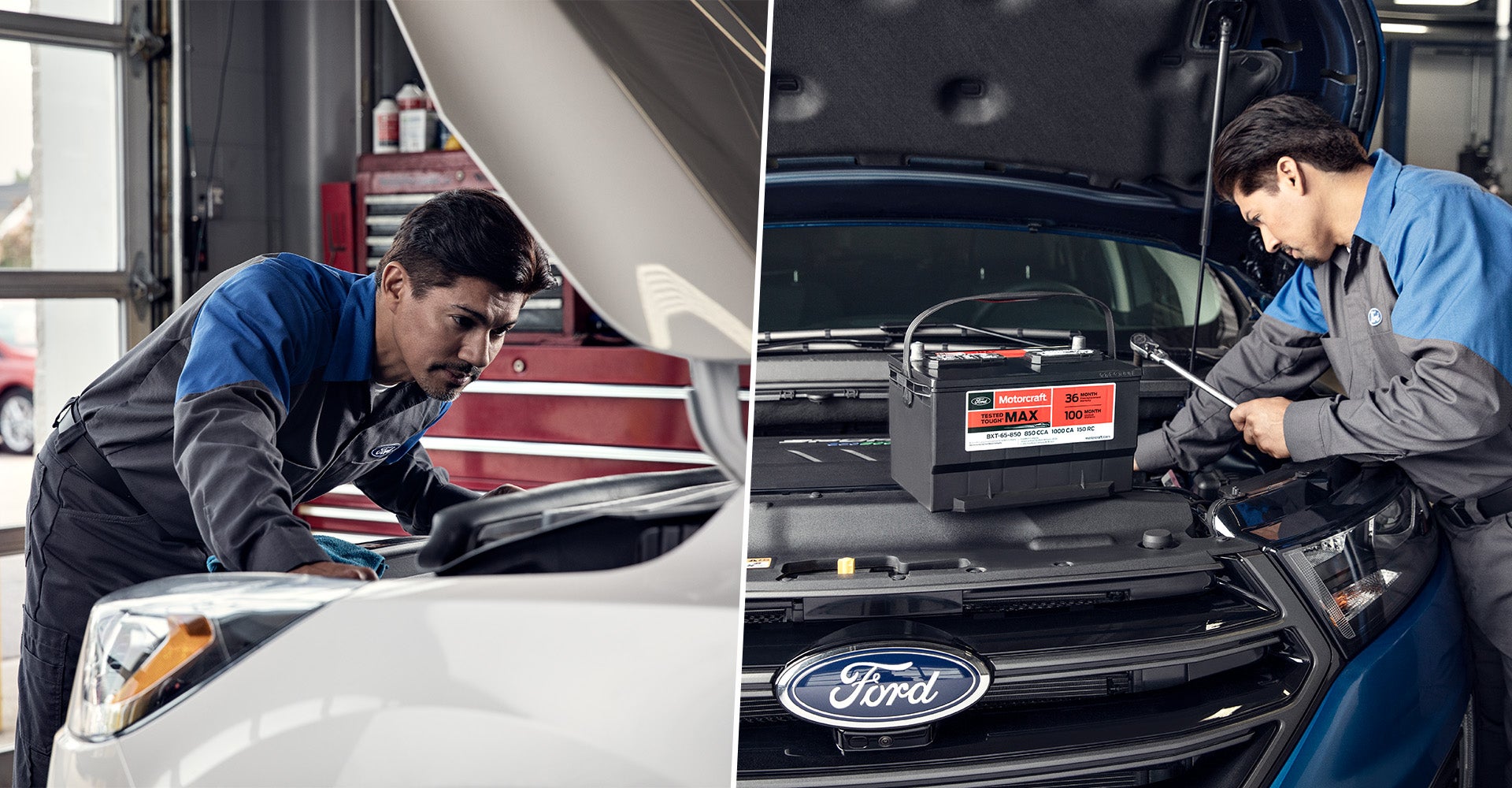
Fleet Preventive Maintenance

Assessing Your Fleet

Conducting a fleet assessment to identify maintenance needs:

  • Evaluate the age, condition, and usage of each fleet vehicle.
  • Identify any maintenance or repair needs for each vehicle.
  • Determine the maintenance history of each vehicle.

Collecting and analyzing fleet data for informed decision-making:

  • Collect data on vehicle usage, maintenance history, and repair needs.
  • Analyze data to identify trends and patterns.
  • Use data to inform maintenance decisions and optimize fleet maintenance operations.

Creating a Fleet Preventive Maintenance Program

Components of a fleet preventive maintenance program:

  • Maintenance schedule: A detailed timetable that outlines regular maintenance tasks for each fleet vehicle. This schedule should be tailored to the specific needs of each vehicle based on factors such as mileage, age, and manufacturer guidelines.
  • Maintenance tasks: Specific actions such as oil changes, tire rotations, brake inspections, and fluid top-offs should be categorized by frequency—daily, weekly, monthly, or annually.
  • Inspection checklist: A comprehensive list of items to be inspected during maintenance tasks. This can include checking tire pressure, examining brakes, inspecting lights, and ensuring proper fluid levels.

Setting maintenance intervals and creating detailed checklists:

  • Determine optimal intervals: Assess the manufacturer’s recommendations, vehicle usage patterns, and environmental conditions to establish the ideal maintenance frequency for each vehicle.
  • Create detailed checklists: Develop step-by-step checklists for each maintenance task to ensure consistency and thoroughness. This includes documentation for visual inspections, fluid level checks, and parts replacements.

Standardize procedures: Implement standardized procedures for common tasks to streamline operations and maintain quality control.
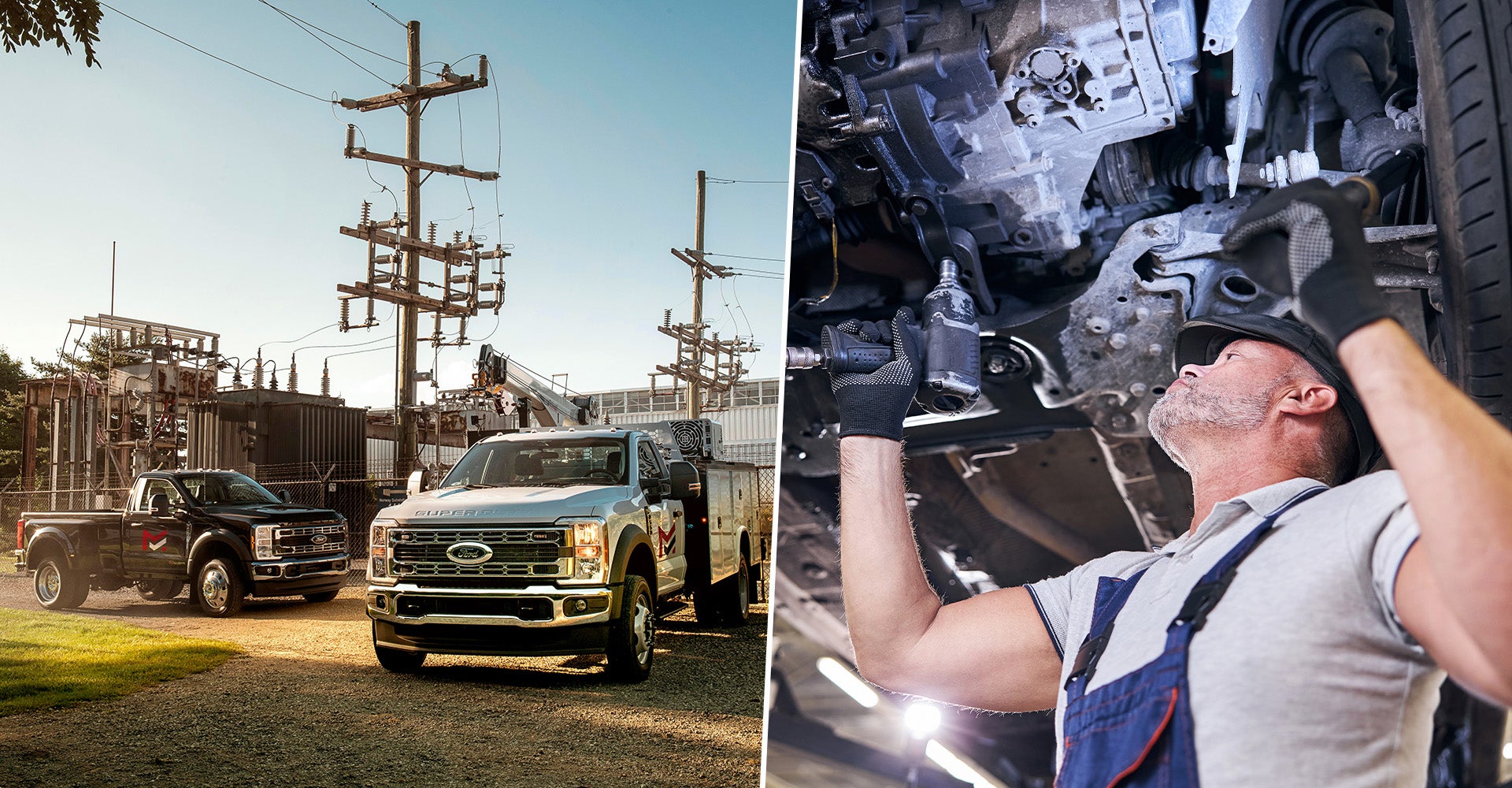
Fleet Maintenance Planning and Scheduling

Assigning responsibility and documenting maintenance activities:

  • Assign responsibilities: Designate specific individuals or teams to be accountable for carrying out maintenance tasks. This can include drivers, mechanics, or fleet managers.
  • Track and document activities: Maintain detailed records of all maintenance activities, including the date, time, and nature of the work performed. This documentation is essential for tracking vehicle history, identifying recurring issues, and ensuring compliance with regulatory requirements.

Use digital tools: Leverage fleet management software to automate reminders, track progress, and generate reports for better oversight and analysis.

Developing an Effective Fleet Maintenance Strategy

A well-structured fleet maintenance program keeps vehicles in top condition while minimizing operational interruptions. Striking a balance between regular servicing and vehicle availability is crucial for maximizing uptime. Here’s how to create a successful fleet maintenance strategy:

  1. Evaluate Fleet Size and Usage Patterns: Assess the number of vehicles in your fleet and their usage frequency. High-mileage vehicles will require more frequent servicing compared to those used sporadically.
  2. Establish Maintenance Timelines: Design a schedule that aligns with manufacturer recommendations, vehicle workload, and environmental factors. Account for seasonal changes that can affect vehicle performance.
  3. Leverage Fleet Management Technology: Use fleet management software to monitor service history, plan upcoming maintenance, and track repair expenses. Set automated alerts to ensure timely inspections and repairs.
  4. Reduce Downtime with Strategic Scheduling: Plan maintenance during off-peak hours or stagger service times to keep essential vehicles operational. Prioritize servicing for high-use vehicles to maintain productivity.
  5. Track Performance and Adapt: Review vehicle performance data and maintenance records regularly to identify recurring issues. Make necessary adjustments to improve efficiency and prevent future breakdowns.

Implementing a Fleet Preventive Maintenance Plan

Using fleet management software to streamline maintenance operations:

  • Track maintenance schedules, assign tasks, and document maintenance activities.
  • Automate maintenance reminders and notifications to ensure tasks are not missed.

Fleet Maintenance Tools and Resources

Features of fleet maintenance software:

  • Maintenance scheduling and tracking.
  • Task assignment and management.
  • Inspection checklists and reporting.
  • Vehicle maintenance history tracking.

Vehicle maintenance checklist:

  • Monthly tasks: Oil changes, tire pressure checks, brake pad inspections.
  • Quarterly tasks: Air filter replacements, fuel filter replacements, spark plug replacements.
  • Biannual tasks: Battery checks, wiper replacements, light and signal checks.
  • Annual tasks: Timing belt replacements, water pump replacements, transmission fluid changes.

Stay Productive By Planning Ahead

Fleet maintenance is critical for businesses that rely on vehicles to operate. A well-planned fleet maintenance program can help to reduce maintenance costs, improve vehicle safety, and increase fleet efficiency. Regular maintenance is essential for ensuring compliance with regulatory requirements and minimizing downtime. If you’re ready to get the ultimate fleet maintenance plan, visit Preston Ford Commerical Vehicle Center today or contact us for more information!

SCHEDULE SERVICE

Posted in:

Recommended Posts

Maryland Title, Registration Fees, & Sales Tax

Understanding Maryland Vehicle Title and Registration Fees Buying a car is exciting right up until the paperwork numbers start stacking up at the end. When you are trying to plan your budget, understanding Maryland title and registration fees is one of the quickest ways to avoid surprises and get to a true out-the-door price. At Preston Ford Commercial Vehicle Center, we walk customers through what is required by the Maryland Motor Vehicle Administration and what is optional, so you know what you are paying for and why. What Maryland Charges When You Title and Register a Vehicle Titling and registration are related, but they are not the same thing. A vehicle title is the state’s ownership record, while vehicle registration is what gives you tags and permission to operate on public roads with valid license plates. Most transactions fall into a few main cost buckets: a title fee, a registration fee or tag fee, Maryland excise tax (often called a titling tax), plus any specialty plate choices or add-on fees. Many of these amounts are set by the Maryland Motor Vehicle Administration (MVA) and published through resources like the MVA Fee Listing and the broader Maryland Vehicle Title and Registration Information pages. You may also see dealer services on a buyer’s order, such as processing support or documentation handling, and those should be clearly labeled as dealer services rather than state requirements. Totals vary based on vehicle type, weight class, plate type, and whether you are handling a new purchase, titling used vehicles, a title transfer, or converting an out-of-state title. Title Fees vs. Registration/Tag Fees Title-related costs apply when ownership changes, which is why they show up at purchase, gifting, or other ownership transfer events. The title fee is tied to issuing the title document, and if you are using financing, the MVA also records a lien so the lender is listed properly on the title. Registration and tags are different because they are tied to operating the vehicle, and they come with an expiration date. Vehicle Registration / Tag Fees typically show up at purchase and later as a registration renewal, and the registration fee can differ for passenger cars, light trucks, heavier trucks, trailers, motorcycles, and multipurpose vehicles. Your plate choice can also change the numbers. Standard license plates usually follow the base schedule, while specialty plates can add an extra charge, and some plate types have eligibility rules that affect Registration Information requirements. Where Excise Tax Fits In Maryland charges a vehicle excise tax when you buy a vehicle or complete a title transfer, and it is collected as part of the titling and registration process. In general terms, the tax is based on the sale price or a recognized book value, subject to Maryland rules, and the MVA applies those rules at the time of titling. This is why excise tax often makes up the largest part of the “state” portion of your closing costs. It is also why taxes are due at the time of titling and registration and generally cannot be skipped or postponed, even if you plan to change plates later or renew your registration online. If you want to sanity-check what you are seeing, ask to compare the taxable amount used on the paperwork to your deal structure and the state’s guidance. That quick review can prevent confusion when the final numbers are printed. Step-by-Step: How to Estimate Your Total Cost Before You Sign A good estimate starts with the right inputs, because small changes can move the total. Gather the vehicle year, make, model, and trim (or the vehicle identification number, also called the VIN), your purchase price, trade-in details, your county address, your license plates choice, and whether you are paying cash or using financing. At our dealership, we can estimate title, registration, and tax costs up front for any model you are considering by using current MVA fee schedules and the exact deal structure. Trade-ins, rebates, and a dealer discount may affect the taxable amount depending on how the transaction is written and what Maryland allows, so it is worth asking us to show the math on your specific worksheet. Before you sign, request a buyer’s order that lists itemized fees and identifies which line items are Maryland requirements versus dealer services. That one document is usually the clearest view of your out-the-door price. A Simple Estimation Checklist Confirm whether you need a new title, a title transfer, or an out-of-state title conversion. Confirm the registration term (such as 1-year vs. 2-year where applicable) and your plate type (standard vs. specialty). Example Scenarios to Include in the Article (Keep Numbers Flexible) A used vehicle purchase with a trade-in and rebates can look simple, but the taxable amount may not match the sticker price. Depending on Maryland rules and how the deal is structured, the sale price used for excise tax may be reduced by a trade-in allowance, while certain rebates or incentives may be treated differently than a dealer discount. Always verify how your buyer’s order calculates it. If you are moving to Maryland with an out-of-state title, build in extra steps that can affect timing and cost. You may need a Maryland safety inspection and a Safety Inspection Certificate before the MVA finalizes Registration Information and issues tags, and some title verification steps can add processing time, even when fees are predictable. Paperwork You’ll Need (and How We Help Prevent MVA Delays) Many tag and title delays stem from missing documents or mismatches in names, addresses, or VINs. The goal is a clean submission package so the MVA can process Titling Information and Registration Information without sending it back for corrections. Our staff helps gather what is needed, confirms that the paperwork matches the deal, and submits the MVA documents correctly so you are not left guessing at the forms. Requirements can differ for financed versus cash purchases and can change again with an out-of-state title, so it helps to review everything before you sign. If you are also selling a vehicle privately, you may want to review our guide to selling your car in Maryland to ensure your side of the title transfer is handled cleanly. Common Documents for Most Transactions Proof of insurance that meets Maryland minimums and matches the buyer’s name and address. A government-issued ID, plus any lender paperwork needed to record a lien correctly if you are using financing. Special Situations That Change Requirements Out-of-state title: This may require additional verification, timing considerations, and inspection steps before tags are issued. Lien payoff: Ensure the lien release is obtained and properly documented to avoid title holds and processing delays. Understanding Excise Tax, Trade-Ins, Rebates, and Discounts Excise tax is the state tax collected when ownership changes, and it is typically handled during titling used vehicles or new purchases at the MVA. At a high level, Maryland looks at the sale price or a recognized book value and applies state rules to determine the taxable amount, which is why two similar deals can produce different tax results. Trade-in value, rebates, and a dealer discount can all change the taxable amount depending on Maryland rules and how the buyer’s order is written. If you want a deeper look at how trade-in treatment can work, see our explainer on the Maryland trade-in tax credit. We focus on transparency by explaining each fee line-by-line and tying it to either an MVA requirement or clearly labeled dealer services. Since the vehicle excise tax is collected at titling and registration time, plan for it as part of your out-the-door price rather than a later expense. What to Ask Us to Show You on the Buyer’s Order Itemized line items for title, registration, plates, excise tax, and any optional services. How the taxable amount was determined for your exact deal, including trade-in and rebate treatment. Common Mistakes to Avoid and Key Takeaways One common mistake is treating online calculators as exact, because a plate type, vehicle weight class, or a missing document can change the final total. Another is waiting until the last minute to secure insurance or a lien release, which can delay your tags and slow down the title transfer process. Use the MVA Fee Listing as a baseline, then confirm your exact situation with an itemized buyer’s order that separates state costs from dealer services. Start Your Vehicle Journey At Preston Ford Commercial Vehicle Center, our goal is for you to sign with clarity, not guesswork, whether you are buying locally, handling an out-of-state title, or planning your next registration renewal. If you bring your VIN, insurance details, and deal basics, we can estimate the state-required costs, explain each line of the buyer’s order, and help you plan an accurate out-the-door price. FAQs How much are title and registration fees in Maryland? Costs vary by vehicle type and transaction. Your total usually includes an MVA title fee, Vehicle Registration / Tag Fees, and Maryland excise tax based on sale price or book value under state rules. How do I calculate Maryland excise tax on a vehicle? Maryland excise tax is assessed at titling and is generally based on the purchase price or a recognized book value, subject to state rules. Ask us to show how your deal’s taxable amount is determined on your buyer’s order. Do trade-ins reduce the tax in Maryland? A trade-in can affect the taxable amount depending on Maryland rules and how the deal is structured. We can provide itemized fees and show what was taxed and why. When do you pay Maryland title and registration taxes and fees? They are due at the time of titling and registration. Plan to pay them as part of your closing paperwork, and expect that they generally cannot be deferred. Can I renew my Maryland registration online, and what does it cost? Many registration renewal transactions can be completed online through the MVA. The renewal cost depends on vehicle class, weight, and plate type, so confirm your amount using the MVA fee listing or your renewal notice. GET STARTED

How To Budget For A New Car? Tips & Advice

Smart Car Budgeting: A Step-by-Step Guide Buying a new vehicle from Preston Ford Commercial Vehicle Center is exciting, but it is also a big financial decision. Long before you pick colors or compare trim level options, you should think through how to budget for a new car in a way that fits your life and your future plans. When you look beyond the sticker price and focus on your own numbers, you can keep car shopping focused on a realistic budget instead of guesswork. This step-by-step guide walks car buyers through how to budget for a new car using clear, practical steps. You will look closely at your monthly income and expenses, understand the total cost of the vehicle, compare financing options, and prepare for ongoing expenses such as fuel costs, auto insurance, and routine maintenance costs. With a solid plan in place, you can visit Preston Ford Commercial Vehicle Center knowing how much to spend on a new car and move forward with confidence. Start With Your Income and Everyday Bills The first step in learning how to budget for a new car is to understand your cash flow. Begin by adding up your monthly take-home pay from all sources, including wages, side income, and any regular deposits into your bank account. Looking at monthly income alongside your annual income helps you see the full picture of your financial situation instead of focusing on a single paycheck. Next, list out your recurring monthly expenses. Include housing, utilities, groceries, subscriptions, child care, and payments on credit cards, student loans, and other obligations. Once you see how much is already committed each month, you can start shaping a monthly budget that includes room for a monthly car payment without crowding out other priorities. Many drivers find it a good idea to keep transportation within a set slice of their spending so car-related expenses do not overwhelm the rest of their goals. A common good rule you will see in financial advice is to keep all car costs, including fuel expenses, insurance costs, and parking, within a reasonable share of your income. That guideline serves as a good rule of thumb as you decide how to budget for a new car, leaving space for a savings goal and an emergency fund. If the numbers feel tight, adjusting expenses before starting a vehicle purchase can make the entire plan more comfortable. See the Full Price Beyond the Window Once your income and bills are clear, the next step in budgeting for a new vehicle is understanding the full cost of car ownership. The sticker price or suggested retail price on a vehicle at Preston Ford Commercial Vehicle Center is an excellent starting point. To understand the total cost, you also need to factor in sales tax based on the local tax rate, registration fees, documentation charges, and other additional costs that show up on the final paperwork. From there, shift your focus to ongoing expenses that you will face during the life of the loan. Ownership costs, such as auto insurance, routine oil changes, tires, brakes, and other maintenance, all play a role in the vehicle's cost over time. Fuel economy matters, too; a vehicle with strong fuel efficiency will keep fuel costs and fuel expenses more predictable, while a less efficient model may raise costs each month. If you are comparing models or different model years, look at how their ownership costs and projected resale values differ. A vehicle with a reputation for durability and solid resale value can help you protect the vehicles’s trade-in value when you return to Preston Ford Commercial Vehicle Center for your next vehicle. Working these details into how to budget for a new vehicle keeps the focus on long-term value, not just today’s price tag. Plan Your Down Payment and Financing Strategy With the big-picture costs in mind, the next step in how to budget for a new commerical vehicle is shaping your down payment and financing plan. If you currently own a commercial vehicle, its trade-in value can lower the upfront cost. Knowing this number in advance lets you predict the loan amount you will need to cover the remaining cost of the vehicle. Your credit score and credit history will influence your loan interest rate, available loan term choices, and approval with different lenders. Many shoppers apply with a local credit union, their own bank, and Preston Ford Commercial Vehicle Center to compare financing options, including offers from third-party institutions. It is helpful to see how a 48-month loan, 60-month loan, or even a longer-term loan changes both the monthly car payment and what you pay over the life of the loan. As you think through how to budget for a new commercial vehicle, consider whether a larger down payment fits your savings goal. A higher upfront cost can reduce loan payments and loan interest over time, which can free space in your monthly budget for other goals. If the numbers feel tight, it may be wise to give yourself more time to save before committing to a vehicle purchase, especially if you are working toward your first vehicle and still building credit. Use Online Tools, Credits, and Calculators Before you visit Preston Ford Commercial Vehicle Center, online resources can help you see how to budget for a new vehicle in real numbers instead of rough estimates. Start with an auto loan calculator or car affordability calculator and enter the sticker price, estimated sales tax, registration fees, and a likely interest rate based on your credit score, then compare those results with our online payment calculator tool to see how different vehicles and loan terms affect your monthly car payment. Adjust the loan term to see how a shorter schedule compares with a longer one and how each affects your monthly budget and overall car costs, so you can narrow in on a price range that feels realistic for your new vehicle without straining your financial situation. As you compare models, note differences in safety features, trim level, model year, and fuel economy. These factors can influence insurance premiums, ownership costs, and even future resale value. Keeping notes on how each option fits your price range helps you fine-tune how to budget for a new commerical vehicle that aligns with both your financial situation and your driving needs. Choose the Right Vehicle Once your numbers are in place, you’ll be ready to bring how to budget for a new vehicle into real life on the lot at Preston Ford Commercial Vehicle Center. Share your target monthly budget, price range, and preferred loan term with our team so they can guide you toward car models that make sense. Whether you are shopping for your first commercial vehicle or upgrading your current ride, staying honest about your limits helps you focus on the right options. During car shopping, think about how you will use your new vehicle day to day. Consider commute length, traffic patterns, weather, and how often you carry passengers or cargo. For some buyers, compact options with strong fuel efficiency and lower car-related expenses are a smart fit. Others may look at crossovers, trucks, or electric vehicles that support hobbies, family needs, or work demands while still matching how to budget for a new car. Don’t forget to think ahead to your next vehicle, as well. A model with solid market value and predictable ownership costs can make it easier to trade in your new vehicle in the future. That future trade-in value becomes part of your plan for how to budget for a new car again when it is time to upgrade. Prepare For Insurance and Local Details Another key part of how to budget for a new car is understanding how insurance fits into your plan. Before you finalize anything, request quotes from more than one insurance provider. Insurance rates and insurance costs will depend on your driving record, the vehicle you choose, and the safety features it offers. Comparing auto insurance quotes side by side can reveal how car prices and trim level choices influence premiums. As you review policies, confirm how insurance premiums might change over time and how they fit alongside your other monthly expenses. Building those numbers into how to budget for a new vehicle keeps your plan grounded in reality. You will also want to think about vehicle ownership details such as where you park, how many miles you drive annually, and any car-related expenses that are specific to where you live, like tolls or city parking permits. Finally, make sure your paperwork expectations line up with your budget. Ask our team at Preston Ford Commercial Vehicle Center to walk you through every line item, including sales tax, tax rate, fees, and any additional costs tied to protections or warranties. When you see the entire structure of the cost of the vehicle and understand exactly how to budget for a new vehicle, you can sign with confidence knowing your plan fits your bank account and your long-term goals. Put Your Plan Into Action By taking time to learn how to budget for a new vehicle around your real numbers, you turn a big purchase into a thoughtful step in your financial life. You’ll have looked at monthly income, monthly expenses, and annual income, and have shaped a realistic budget that respects your savings account and emergency fund. You’ll understand how loan amount, loan term, and interest combine with taxes, fees, and ongoing expenses to create the total cost of car ownership. When you bring that work to Preston Ford Commercial Vehicle Center, you can focus every conversation on how to budget for a new car that fits your priorities instead of reacting in the moment. Whether you are choosing your first car or planning your next vehicle, your preparation helps ensure that your new commercial vehicle supports your lifestyle, your savings goal, and your long-term vehicle ownership plans. APPLY FOR FINANCING

How To Get A Lower Car Payment

How to Get a Lower Car Payment: Top Strategies to Save Money

How Your Tax Refund Can Help You Drive Home With a Lower Car Payment At Preston Ford Commercial Vehicle Center, we meet a lot of drivers who look at their statement and immediately wonder, “how do I lower my monthly car payment?” If you are expecting a tax refund this year, it can be a powerful tool for reshaping your car loan payment and overall personal finance plan. Many shoppers search online for how to get a lower car payment, but the real answers depend on your unique financial situation, your current vehicle, and where you are in the car-buying process. Our goal is to walk you through practical, real-world ways to turn that refund into a smarter car purchase or refinance so you can feel more confident every time you make payments. Whether you are shopping for a new car, thinking about a reliable used car, or looking to adjust an existing loan, your refund can act like an instant larger down payment or a targeted lump sum toward what you already owe. Using that amount of money wisely can reduce your monthly costs, cut the amount of interest you pay over time, and ease the financial burden that comes with keeping a vehicle in your budget while you stay focused on how to get a lower car payment that truly fits your life. What a Lower Monthly Payment Really Means for You When you ask us how to get a lower car payment, we start by looking at the numbers behind your monthly loan payment. The key ingredients are your total loan amount, interest rate, loan term, and any taxes or fees that were rolled into your purchase. Changing even one of these pieces can unlock a lower monthly payment, but each choice affects the overall cost of the vehicle in a different way. A larger down payment using your tax refund immediately reduces the loan amount and the principal balance, which means you are financing a smaller remaining balance from day one. That can help you qualify for a lower interest rate or a lower rate overall and pay less interest across the full time frame of your contract. If you choose a longer loan term, you will usually see a lower payment each month, but a longer term also increases the amount of interest you pay. A shorter term loan often carries a higher monthly bill, yet it can be a good idea if your goal is to pay less interest and own the vehicle free and clear sooner, especially if your top priority is how to get a lower car payment over the life of the loan. Your credit report also plays a big part. Drivers with a higher credit score or even excellent credit often qualify for strong auto loan rates, while shoppers with lower credit may face higher interest rates at first. The good news is that as you stay in good standing on your account and avoid missed payments, your profile can improve over time, and that opens doors for future changes that support how to get a lower car payment. Turning Your Tax Refund Into a Powerful Down Payment One of the simplest answers to how to get a lower car payment is to bring more money to the table on day one. When you apply your tax refund as part of a larger down payment on a new vehicle or on used vehicles that fit your lifestyle, you shrink the loan amount and reduce the remaining loan balance before you even drive off the lot. That can also reduce the sales tax you pay on your car purchase, depending on how your deal is structured. Your refund can team up with the trade-in value from your current vehicle to build that down payment. Using tools such as Kelley Blue Book helps you estimate your car’s current value and vehicle’s value so you can walk into the showroom informed and ready to negotiate. If you can sell your vehicle through a private sale for more than the trade figure, that extra cash can go straight toward your down payment and move you closer to your goal of how to get a lower car payment. In some cases, using part of your refund to pay down your existing loan is the smart move. Reducing your principal balance ahead of schedule can lessen the negative impact of being upside down on the vehicle and may qualify you for gap insurance or strong refinancing terms sooner. Before you do this, talk with our team at Preston Ford Commercial Vehicle Center about any prepayment penalties in your contract, so you know exactly how much of your tax refund is going toward how to get a lower car payment instead of fees. Using Your Tax Refund to Restructure or Refinance If your vehicle already fits your needs but the payment doesn't, your tax refund can help you refinance your auto loan to reshape the terms of your agreement. By paying down part of the balance and then applying for a new loan with different lenders, you may qualify for a lower interest rate. This strategy is especially helpful if you started with a high interest rate due to bad credit, and you have since worked hard to rebuild your profile and learn how to get a lower car payment going forward. When you sit down to talk with your current lender, they will review your credit report, your recent payment history, and whether you are in good standing. A stronger credit history, fewer hard inquiry entries, and an improved credit score can all make it easier to secure a lower car payment through updated terms. We can also help you compare offers from a local credit union, banks, and other financial institutions so you can see how to get a lower car payment without taking on more risk than you are comfortable with. Changing the structure of your loan can take several forms. Some drivers look for a loan modification with their existing lender, which might adjust the loan term, payment due date, or fees to ease short-term pressure. Others prefer classic refinancing, choosing a longer loan term to create a lower monthly payment or opting for a shorter term that focuses on paying less interest in the long run. Either way, your tax refund can reduce the remaining balance first, so you end up paying less interest on a smaller principal over the life of the agreement, and stay focused on how to get a lower car payment that fits your budget. Deciding Whether to Trade, Keep, or Upgrade Your Vehicle For some guests, the best way to improve their budget is to rethink the vehicle itself. That might mean trading in for one of our top picks of fuel-efficient used vehicles, choosing a modest new vehicle instead of a fully loaded model, or even paying down an existing loan and driving your current car for a few more years. Your tax refund can help with any of these paths, whether you want to boost your trade-in value, reduce your remaining loan balance, or simply save for upcoming maintenance so you can make payments on time while still working toward how to get a lower car payment that feels realistic month after month. As you compare options, we will walk you through the car-buying steps from a budget-first angle. Together, we can look at your monthly loan payment, expected monthly costs like fuel and insurance, and how your tax refund can lower the car loan payment itself. We also talk through whether you want a short-term plan to simply get through a tough season or a longer loan term that prioritizes a lower monthly payment for the long haul. All of this fits into a bigger car-buying strategy focused on how to get a lower car payment, not just this year but over the life of the vehicle. Another simple way to lower your car payment over the life of the loan is to use your tax refund to make a few extra payments throughout the year. Even small additional amounts applied directly to principal can shorten your term, reduce the amount of interest you pay, and give you flexibility if you ever face a tight month later on, while still aligning with your plan for how to get a lower car payment in the long run. Putting It All Together at Preston Ford Commercial Vehicle Center When you are ready to talk through how to get a lower car payment with your tax refund, our team will start with a simple conversation about your goals. Are you hoping to refinance an existing loan, exploring a new auto loan for a different model, or curious whether a loan modification could help you stay in good standing with your current lender? Do you want to focus on less interest paid, a lower interest rate, or a shorter term that clears the balance quickly? Your answers guide us toward the combination of commercial vehicle purchase choices and financing options that match your financial position. We also explain how different lenders look at your credit report, credit history, and recent activity. If you are aiming for a refinance in the near future, making on-time payments, avoiding new hard inquiry marks unless necessary, and keeping your accounts in good standing can all improve your chances of qualifying for a lower rate. Over time, this can translate into a noticeably lower car payment and give you more room in the budget for other priorities tied to lowering your car payment. Your tax refund is a powerful tool, and when you pair it with clear advice, it can move you closer to how to get a lower car payment in several ways at once. Whether that means putting the money toward a larger down payment on a new vehicle, using it to chip away at the principal balance on an existing loan, or exploring auto refinancing with a credit union or other financial institutions, our team at Preston Ford Commercial Vehicle Center is here to help you choose the path that feels like a good option for your life. GET STARTED