
Ready Set Ford
A New Era for the Blue Oval
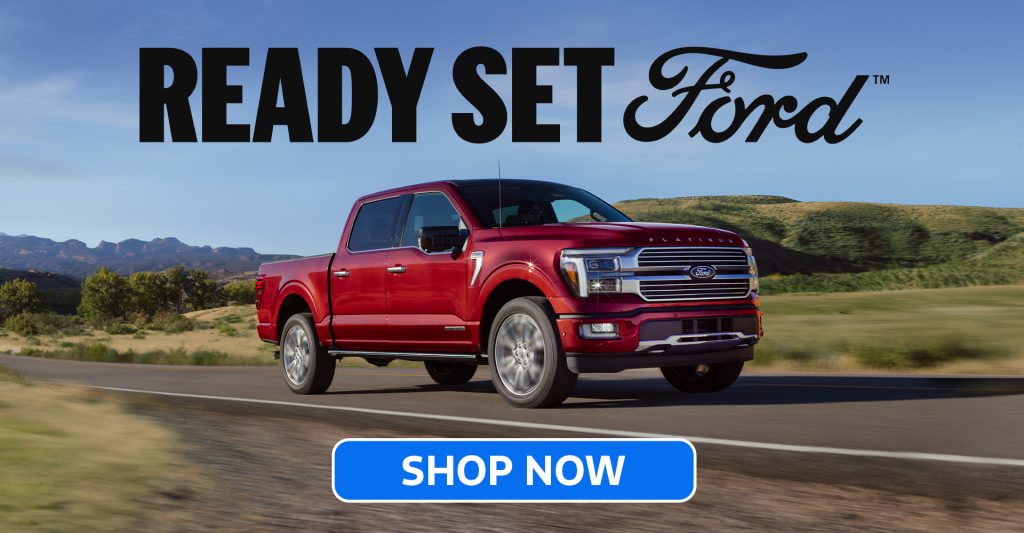
Ford Motor Company is entering a bold new chapter, and Preston Ford Commercial Vehicle Center is excited to share what it means for our customers. The new global advertising platform, Ready Set Ford, is more than just a fresh look—it’s a strategic shift designed to connect with drivers in new and inspiring ways.
What is “Ready Set Ford”?
“Ready Set Ford” is Ford’s new advertising platform, built on the foundation of capability, passion, community, and trust. It’s designed to celebrate not only what Ford vehicles can do, but what they empower you to do.
This rebrand focuses on three key shifts:
- Highlighting Our Strengths – Ford’s legacy of strength, innovation, and trust remains front and center.
- Empowering Customers – The campaign celebrates the lifestyles Ford enables: building businesses, chasing thrills, and seeking adventure.
- Leading With What You Love – Expect more focus on the Ford vehicles and services that customers are most passionate about, from trucks to SUVs to performance icons.
Why It Matters
At its heart, Ready Set Ford is about you—the driver. Whether you’re pushing limits with a Ford Bronco, building your business with a Ford F-150, or heading out for family adventures in a Ford Explorer, this rebrand is about helping you live your best days behind the wheel.

Visit Preston Ford Commercial
As your local Ford partner, Preston Ford Commercial is proud to bring this new era to life. Stop by our showroom to see the latest Ford lineup and experience firsthand how Ready Set Ford is shaping the future of driving.
Ready. Set. Ford.
Ford Ranger Raptor vs. Ford F-150 Raptor

Which Off-Road Beast Is Right for You?
When it comes to conquering the trails and pushing boundaries, few vehicles do it better than the Ford Ranger Raptor and the Ford F-150 Raptor. These two off-road titans carry the Raptor nameplate with pride—built for thrills, engineered for toughness, and backed by Ford’s heritage and performance DNA. But how do you choose between them? Preston Ford Commercial Vehicle Center is here to help you compare the Ford Ranger Raptor vs. Ford F-150 Raptor across the categories that matter most to drivers who work hard and play harder.
Ford Ranger Raptor vs. Ford F-150 Raptor Engine
The Ford Ranger Raptor comes ready to charge with a twin-turbocharged 3.0L EcoBoost® V6 engine, delivering thrilling power and torque for off-road fun and daily driving. Its responsive throttle ensures quick acceleration and precise control, making it perfectly balanced for drivers who need versatile performance in a more agile frame.
The Ford F-150 Raptor, on the other hand, brings the muscle. The standard 3.5L High-Output EcoBoost® V6 offers elite performance and impressive speed, while the Ford F-150® Raptor R™ unleashes the ultimate powertrain—a monstrous 5.2L Supercharged V8 engine pumping out 720 horsepower. The Ford F-150 Raptor is engineered to reach and maintain higher speeds over rough terrain, excelling in off-road environments where high-speed capability is essential.
Choose the Ford Ranger Raptor for nimble, capable power in a midsize frame. Opt for the Ford F-150 Raptor if only supercharged dominance will do.
Ford Ranger Raptor vs. Ford F-150 Raptor Size
The Ford Ranger Raptor features a rugged design with a slightly smaller footprint, making it ideal for narrow trails, tight workspaces, and urban maneuvering. Its increased ground clearance and wider stance give it an aggressive edge while remaining manageable in size. The Ford Ranger Raptor measures approximately 77.8 inches in width and 211 inches in length, striking a balance between off-road capability and everyday usability.
The Ford F-150 Raptor, the big brother of the Ford Ranger Raptor, is built big. This full-size truck offers a commanding presence on and off the road with a wider body, larger tires, and longer overall dimensions. With a weight of over 5,600 pounds, the Ford F-150 Raptor’s substantial mass further enhances its stability and road presence.
If you’re navigating narrow trails or city streets, the Ford Ranger Raptor is your best bet. For full-size presence and extra cabin space, the Ford F-150 Raptor takes the win.
Ford Ranger Raptor vs. Ford F-150 Raptor Towing Capacity
When it’s time to haul, size matters. The Ford Ranger Raptor offers impressive utility, but it’s tuned more for play than payload, with towing capabilities better suited for lighter trailers or toys. Its cargo bed is practical for carrying equipment or tools, making it useful for outdoor activities or work-related tasks.
The Ford F-150 Raptor, however, offers serious muscle. Depending on the configuration, it can tow significantly more—ideal for worksite demands or hauling gear for off-road weekends.
For heavy-duty jobs, the Ford F-150 Raptor outperforms in towing. The Ford Ranger Raptor still handles smaller loads with confidence.
Ford Ranger Raptor® vs. Ford F-150 Raptor® Performance
Performance isn’t just about horsepower—it’s about control, capability, and confidence across any terrain. The Ford Ranger Raptor® is purpose-built for agile off-roading with seven selectable drive modes, including Baja, plus low-range gearing and standard four-wheel drive. Its advanced suspension setup—featuring coil springs, a reinforced axle, and unique long-travel dampers—delivers impressive stability and comfort over uneven terrain. Thanks to its compact size and nimble handling, the Ranger Raptor shines in tight trail situations, rock crawling, and high-speed sand running.
On the other hand, the Ford F-150 Raptor® brings brute strength and advanced off-road hardware to the table. It features Trail Turn Assist, Trail Control®, and FOX® Live Valve shocks that automatically adjust to terrain changes. The F-150 Raptor R™ takes it even further with dual Live Valve technology and available 37-inch tires, offering unmatched ground clearance and suspension articulation. Its wider stance and more powerful engine options make it better suited for high-speed desert runs and extreme off-road challenges.
Both Raptors deliver thrilling off-road performance, but the Ford F-150 Raptor® provides more tools and tech for serious off-road athletes, while the Ford Ranger Raptor® focuses on maneuverability and everyday adventure-ready versatility.
Which Raptor Is Right for You?
When choosing between the Ford Ranger Raptor vs. Ford F-150 Raptor, it comes down to what you need in your off-road warrior:
- Ford Ranger Raptor: Best for tight trails, nimble handling, and adventurous spirit in a midsize frame.
- Ford F-150 Raptor: Ideal for those who demand max power, top-tier towing, and full-size off-road domination.
Both models are tough, built to handle challenging conditions and engineered to thrive off the beaten path—and they’re waiting for you at Preston Ford Commercial Vehicle Center. Ready to take the wheel?
Visit us today to test drive the Ford Raptor that fits your adventure.
What’s The Difference Between SRW Vs DRW?
Difference Between SRW and DRW: Choosing the Right Truck for You
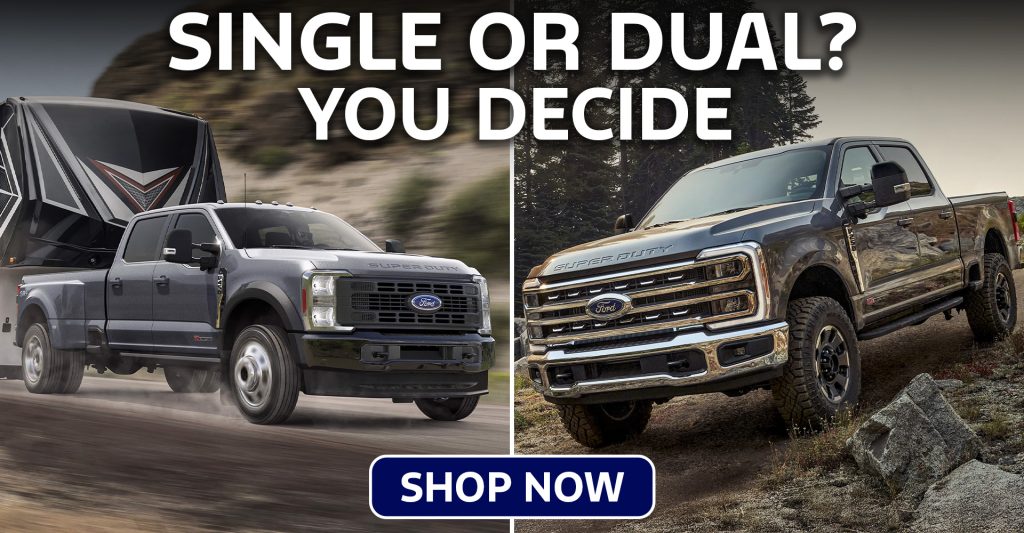
When it comes to choosing the right pickup truck for your needs, one of the first decisions you’ll face is selecting between SRW vs. DRW. These terms refer to the truck’s rear axle configuration and can significantly impact towing capacity, payload, stability, and overall performance. Whether you’re hauling heavy loads or simply need a reliable daily driver, understanding what SRW and DRW mean on a truck is essential for making an informed choice at Preston Ford Commercial Vehicle Center.
What Does SRW Mean on a Truck?
SRW (Single Rear Wheel) trucks come with one wheel on each side of the rear axle, making them more common for everyday driving.
What Does DRW Mean on a Truck?
DRW (Dual Rear Wheel) trucks, often called “dually” trucks, feature two wheels on each side of the rear axle. This setup increases load distribution and provides greater rear-end stability, particularly under heavy loads.
The difference between SRW and DRW goes beyond just the number of wheels. Your decision should be based on your towing requirements, cargo weight, and how you plan to use the truck—whether it’s for recreational fifth wheel towing, commercial work, or personal use.
Benefits and Drawbacks
Benefits of DRW Trucks
- Increased Stability: With four wheels on the ground in the rear, DRW trucks offer more stability, especially in crosswinds and on uneven terrain.
- Higher Towing Capacity: Ideal for towing large fifth-wheel trailers, heavy equipment, or horse trailers.
- Improved Weight Distribution: This system distributes the weight of heavy loads more evenly, reducing stress on the tires and suspension.
- Better Handling for Long Trailers: More secure handling and a turning radius is crucial for navigating tight spots with longer trailers.
Drawbacks of DRW Trucks
- Larger Footprint: DRW trucks are wider, making them more challenging to park and maneuver in tight urban settings.
- Rougher Ride: The extra wheels and suspension setup can result in a stiffer ride when the truck isn’t carrying a load.
- Higher Cost: Generally more expensive to buy, maintain, and insure.
Benefits of SRW Trucks
- Easier to Drive and Park: Narrower width makes SRW trucks more agile for daily driving.
- Cost-Effective: Lower purchase price, maintenance, and fuel costs.
- Smoother Ride When Empty: Designed for comfort, SRW trucks provide a better ride when not under load.
Drawbacks of SRW Trucks
- Limited by Pin Weight: SRW trucks can tow decent-sized trailers, but their limitation often comes from pin weight rather than total trailer weight.
- Reduced Stability Under Load: SRW trucks may not provide the same level of control, especially in windy conditions or on slippery roads.
Choosing the Right Truck
If you’re debating between the Ford F-350 SRW vs. DRW or F-250 SRW vs. DRW, consider your everyday needs:
- Towing a heavy fifth wheel or gooseneck trailer? Go with a DRW configuration for enhanced control and capacity.
- Need a daily driver that occasionally hauls lighter loads? An SRW truck may offer the best balance of comfort and utility.
When comparing Ford SRW vs. DRW trucks, review specifications for:
- Towing capacity
- Payload rating
- Tongue/pin weight limits
- Rear axle ratios
- Wheelbase and bed size
All of these factors impact the truck’s ability to perform safely and effectively.
Making an Informed Decision
Choosing between SRW vs. DRW isn’t just about picking the truck with more wheels—it’s about selecting the one that best suits your lifestyle. Take time to:
- Research and compare models
- Understand your towing needs
- Check payload and axle configurations
- Read reviews and owner testimonials
- Consult with our team
A few extra minutes spent verifying the proper truck setup can prevent costly mistakes, like exceeding weight limits or compromising safety. Whether you’re navigating cross-country hauls or city streets, the right truck ensures a more stable, stress-free ride.
Explore Your Options
Still not sure which truck is right for you? Visit the experts at Preston Ford Commercial Vehicle Center to explore a wide selection of SRW and DRW trucks, including the latest Ford F-250 and F-350 models. Our team will help you find the perfect truck configuration to match your towing, hauling, and driving needs. Shop our selection now and drive away confident that you’ve made the best choice.
Ford F-550 Super Duty Dump Truck
Choosing the Right Ford F-550 Super Duty Dump Truck
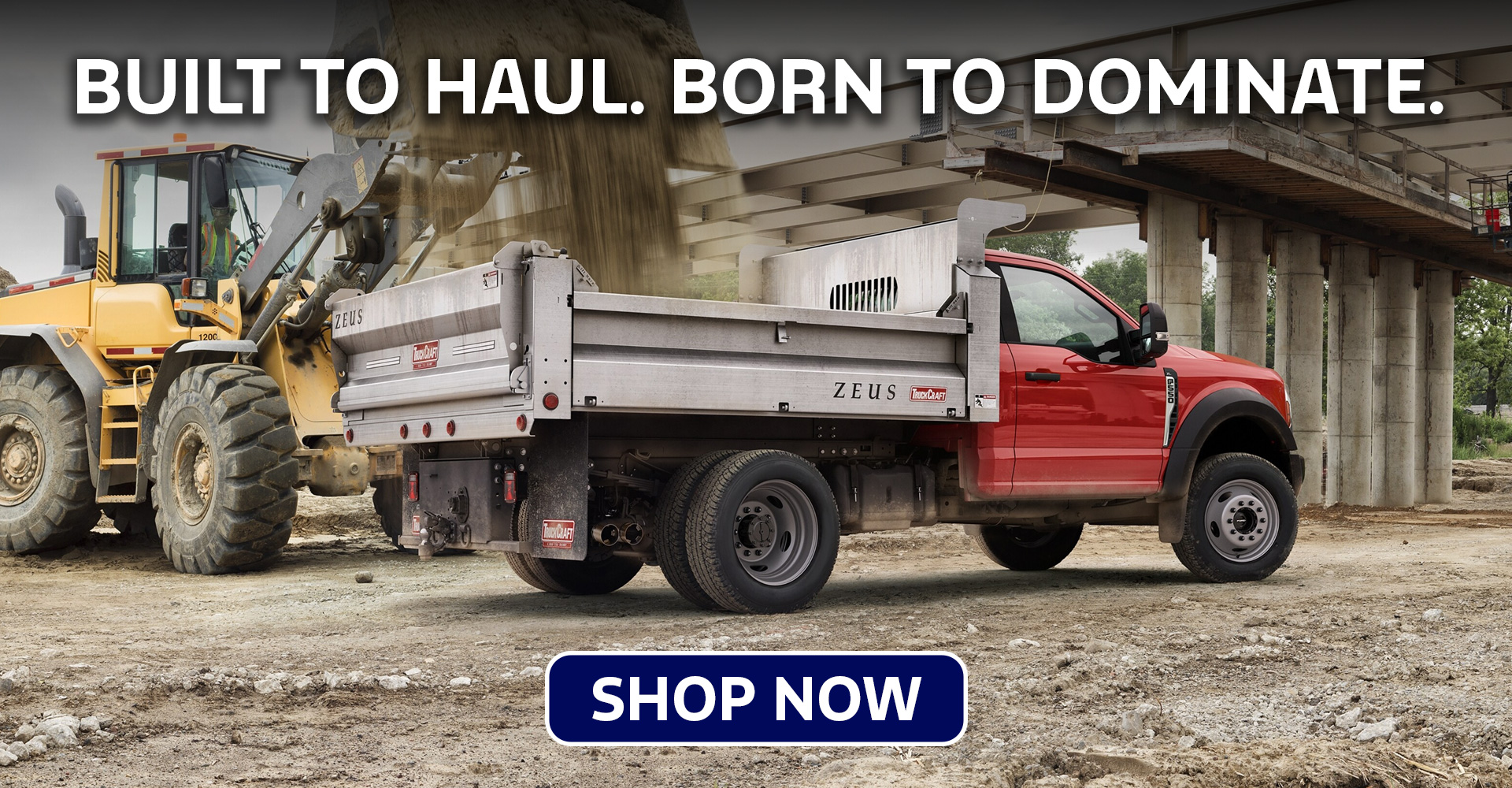
When you’re in the market for a hardworking vehicle that can handle the toughest tasks, the Ford F-550 Super Duty Dump Truck stands out as a top contender. With its rugged frame, versatile configurations, and powerful performance, the Ford F-550 is engineered for professionals in industries like construction, landscaping, and heavy hauling. Whether you’re interested in a Ford F-550 landscape dump truck or a more traditional dump bed setup, there’s a configuration designed to meet your specific needs at Preston Ford Commercial Vehicle Center.
Introduction to the Ford F-550 Super Duty
The Ford F-550 Super Duty is purpose-built to take on demanding jobs while offering a smooth and dependable ride. Available in Regular Cab, SuperCab, and Crew Cab configurations, the Ford F-550 caters to various operational needs and crew sizes. Designed for commercial use, it features a strong frame and robust suspension system, making it ideal for payload-intensive tasks. The flexibility of axle and capacity options ensures the right balance of capability and efficiency.
This truck is commonly upfitted into a Ford F-550 Dump Truck or Landscape Dump Truck, tailored to the unique demands of tradesmen, contractors, and fleet managers looking for a reliable, durable solution.
Configurations and Options
The Ford F-550 Super Duty comes in XL, XLT, and Lariat trims, each offering a unique set of standard and available features. Whether you’re looking for a no-frills workhorse or a more comfortable daily driver with enhanced tech, there’s a trim for you.
- Engine Options: Choose between the standard 7.3L V8 gas engine or the optional 6.7L Power Stroke® V8 Turbo Diesel, designed to handle high-torque applications with ease.
- Transmission: The TorqShift® 10-speed automatic transmission allows for smooth and responsive shifting, ideal for various terrains and load conditions.
- Safety Systems: Features like a 4-wheel Anti-Lock Brake System (ABS) with Roll Stability Control (RSC), SecuriLock® Anti-Theft Ignition, and Remote Keyless Entry offer a well-rounded package of driver assistance and security.
On the exterior, the Ford F-550 Super Duty dump truck commands attention with its bold front-end design and functional clamshell hood, allowing for easier access during maintenance. Inside, the truck can be configured with simple vinyl seating for rugged use, more upscale materials, and infotainment systems for operator comfort.
Powertrain and Performance
The available 6.7L Power Stroke® Turbo Diesel engine delivers a commanding 300 horsepower and 660 lb.-ft. of torque, making it ideal for heavy-duty hauling and dumping. The standard 7.3L 2V DECVT V8 Gas Engine is paired with the 10-speed TorqShift® automatic transmission, designed to balance power and fuel efficiency.
Additional performance features include:
- Selectable Drive Modes for various terrain and payload conditions.
- Diesel Engine Exhaust Braking for improved downhill control.
- Operator-Commanded Regeneration to manage particulate filter cleaning in diesel models.
Together, these systems ensure the Ford F-550 Dump Truck delivers uncompromising performance on any job site.
Safety Features and Technologies
Safety is a critical consideration for any fleet or business owner. The Ford F-550 Super Duty dump truck comes equipped with:
- Standard front, side, and side-curtain airbags with rollover sensors.
- Rainlamp-activated Autolamps, offering improved visibility during adverse weather.
- Optional perimeter anti-theft alarm for additional vehicle protection.
These features, combined with driver-assistance technologies, help create a safer working environment while potentially reducing insurance costs and downtime due to accidents.
Payload and Towing Capacity
One of the defining characteristics of the Ford F-550 Landscape Dump Truck is its impressive payload and towing capabilities.
- Maximum Payload Capacity: Up to 12,660 lbs., depending on cab style, drivetrain, and upfit.
- Maximum GVWR: 19,500 lbs., with up to 26,600 lbs. available for fifth-wheel towing applications.
These specs make it a wise choice for hauling debris, soil, gravel, and equipment—perfect for landscapers and contractors who need maximum capacity and durability.
Ford F-550 Dump Truck Weight
When it comes to heavy-duty performance, weight matters. The Ford F-550 dump truck’s weight will vary based on cab configuration, engine selection, and upfit. However, curb weights generally range between 7,000 and 9,000+ lbs. The final weight depends on the dump body and accessories added. Despite these variations, every Ford F-550 Super Duty model is built to maintain strength without sacrificing maneuverability, making it a solid foundation for the most demanding jobs.
Dump Truck Maintenance and Repair
To keep your investment operating at peak performance, regular maintenance and repair is essential. From routine oil changes and transmission inspections to more complex repairs, keeping the engine, transmission, and axle in optimal condition helps reduce downtime and lower total cost of ownership.
Ford supports owners with:
- Easy access to maintenance schedules through the FordPass™ app.
- Nationwide service networks for professional repair.
- Online manuals and support resources to guide day-to-day care.
Consistent upkeep ensures that your Ford F-550 dump truck remains reliable and ready for action, day in and day out.
Warranty and Support
Ford backs the Ford F-550 Super Duty dump truck with a comprehensive factory warranty and the option for extended coverage. Standard warranty coverage includes:
- 3-year/36,000-mile bumper-to-bumper warranty
- 5-year/60,000-mile powertrain warranty
- 5-year/100,000-mile diesel engine warranty (for Power Stroke® models)
Additional extended service plans and fleet maintenance schedules programs at our service center are also available to help businesses manage costs and keep their operations running smoothly. Owners also benefit from 24/7 roadside assistance and a wealth of digital tools for maintenance tracking and service reminders.
Final Thoughts
The Ford F-550 Super Duty Dump Truck is more than just a heavy-duty vehicle—it’s a dependable business partner. Whether you need the robust power of the 6.7L Power Stroke Diesel, the reliable hauling of a Ford F-550 landscape dump truck, or the unmatched strength of its payload and towing capacity, the Ford F-550 delivers unmatched performance and versatility. It’s an ideal choice for demanding professionals with multiple configurations, advanced safety features, and strong warranty support. Visit Preston Ford Commercial Vehicle Center to learn more about the Ford F-550 dump truck and invest in yours today!
Ford Tremor Off-Road Package Explained
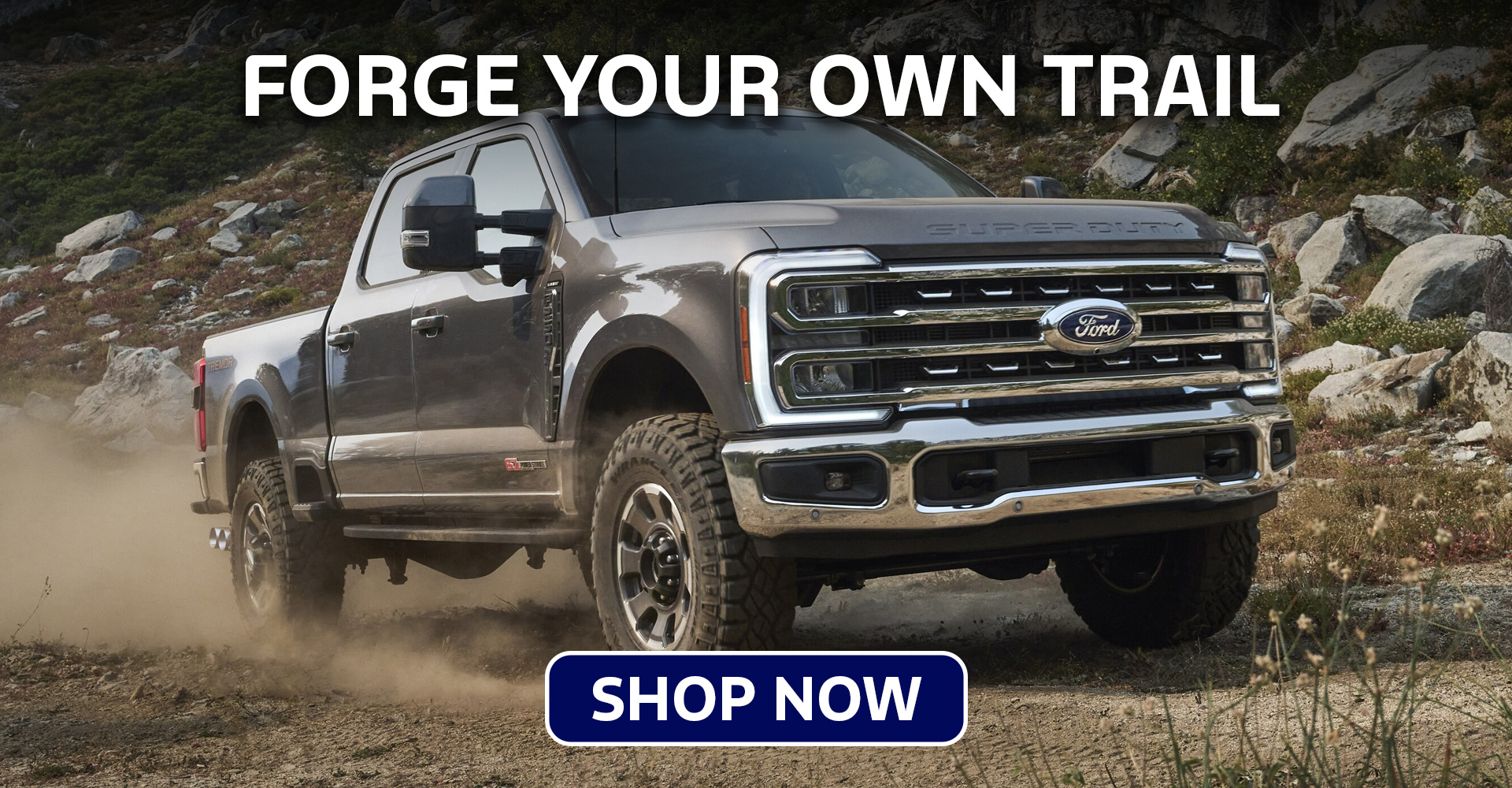
Ford Tremor Package: A Deep Dive into Off-Road Power
The Ford Motor Company is known for manufacturing rigid, reliable trucks, and they don’t stop at the basics. With various upgrade packages, Ford allows drivers to tailor their truck to their exact needs. One standout option for off-road enthusiasts? The Ford Tremor® Off-Road Package. From rugged terrain to job site demands, the Ford Tremor Package enhances both capability and confidence. Whether you’re exploring unpaved backroads or navigating a steep trail, this package delivers the strength and features needed to rise to the occasion. Let’s dive into what makes this upgrade so powerful—and why it’s making waves in the truck community. Considering the Ford F-250 Tremor for off-roading excursions? Learn more about how to upgrade your truck at Preston Ford Commercial Vehicle Center.
A Look Back: The History of Ford Packages
Ford’s tradition of offering specialized packages goes back decades. From simple utility upgrades to premium performance enhancements, Ford has always provided drivers with ways to boost their vehicle’s capability. Over the years, packages have evolved to include advanced features like limited-slip differentials, locking rear differentials, and smart transfer cases.
The introduction of the Ford Super Duty Tremor Package marked a major turning point in this evolution. It wasn’t just about utility anymore—it was about mastering off-road environments without compromising the raw towing power Ford trucks are known for. Notable packages like the King Ranch have long been admired for luxury and comfort, but the Tremor Off-Road Package adds a new layer of grit to Ford’s lineup. As Ford technology continues to advance, these packages only get more sophisticated—and more capable.
Ford F-150 Tremor Trim Level
Looking for serious off-road capability in a light-duty pickup? The Ford F-150 Tremor® is built to conquer just about any terrain. It comes standard with a powerful 5.0L V8 engine with Auto Start-Stop Technology, riding on 33-in. all-terrain tires with an increased ride height and improved approach and departure angles. With off-road tuned front and rear suspension, including 1.7-inch twin-tube dampers, and advanced features like Selectable Drive Modes, Trail Control™, Trail 1-Pedal Drive, and Trail Turn Assist, the Tremor is ready for anything from rocky climbs to muddy backroads. Inside, the rugged attitude continues with unique design touches and available leather-trimmed bucket seats featuring the Tremor® logo—bringing comfort to your off-road adventures.
Types of Ford Truck Packages
Ford offers a range of packages tailored to different needs:
- Tremor Package – Built for off-road warriors, this package includes skid plates, rugged running boards, and all-terrain features engineered for performance on uneven ground.
- King Ranch Package – Designed for drivers who value high-end finishes and premium comfort, featuring leather-trimmed seating, distinctive styling, and modern infotainment options.
- XLT Package – A balanced choice that offers a mix of affordability, style, and basic performance features.
When choosing the right package, consider what matters most: towing, payload, comfort, or off-road agility. If rugged performance is your priority, the Ford Tremor F-250 and Super Duty lineup are a solid bet.
What Does the Tremor Package Include?
So, what is the Ford Tremor package, and what does it include? Ford engineered this package to withstand rugged terrain, combining off-road enhancements with raw power and control. Key features include:
- Available 6.7L High-Output Power Stroke® Turbo Diesel Engine: Offers massive torque and towing capacity with diesel efficiency.
- Available 7.3L OHV V8 Gas Engine: This option brings best-in-class gas-powered muscle.
- 35-Inch All-Terrain Tires: Deliver outstanding grip on a variety of surfaces, from gravel to mud.
- Off-Road Tuned Front and Rear Suspension: Includes 1.7-inch twin-tube dampers for better shock absorption and ride control.
- 10.5 in. of Ground Clearance: Allows you to clear rocks, debris, and obstacles with ease.
- Selectable Rock Crawl and Trail Control™ Drive Modes: These smart drive modes adapt to off-road conditions in real-time, giving you optimized traction and handling.
This package isn’t just a cosmetic upgrade—it’s a complete transformation designed for drivers who demand more from their truck. Whether you’re climbing trails or conquering worksite challenges, the Ford Tremor Off-Road Package delivers in every way.
Ready to get Rugged?
Ford packages like the Tremor Off-Road Package bring out the best in an already powerful line of trucks. From added suspension and rugged tires to cutting-edge drive modes and engine options, this package is tailor-made for adventure and tough terrain. Whether you’re behind the wheel of a Ford F-150 Tremor, Ford F-250 Tremor, or exploring the full range of Ford Super Duty Tremor Package options, you’re in for a powerful, controlled, and confidence-inspiring ride. With continuous innovations and an eye toward the future, Ford upgrades continue to push boundaries. Investing in the right package means investing in performance, capability, and long-term value.
Ready to learn more or test one out yourself? Contact our experts at Preston Ford Commercial Vehicle Center to find out how the Ford Tremor Package can transform your truck today.
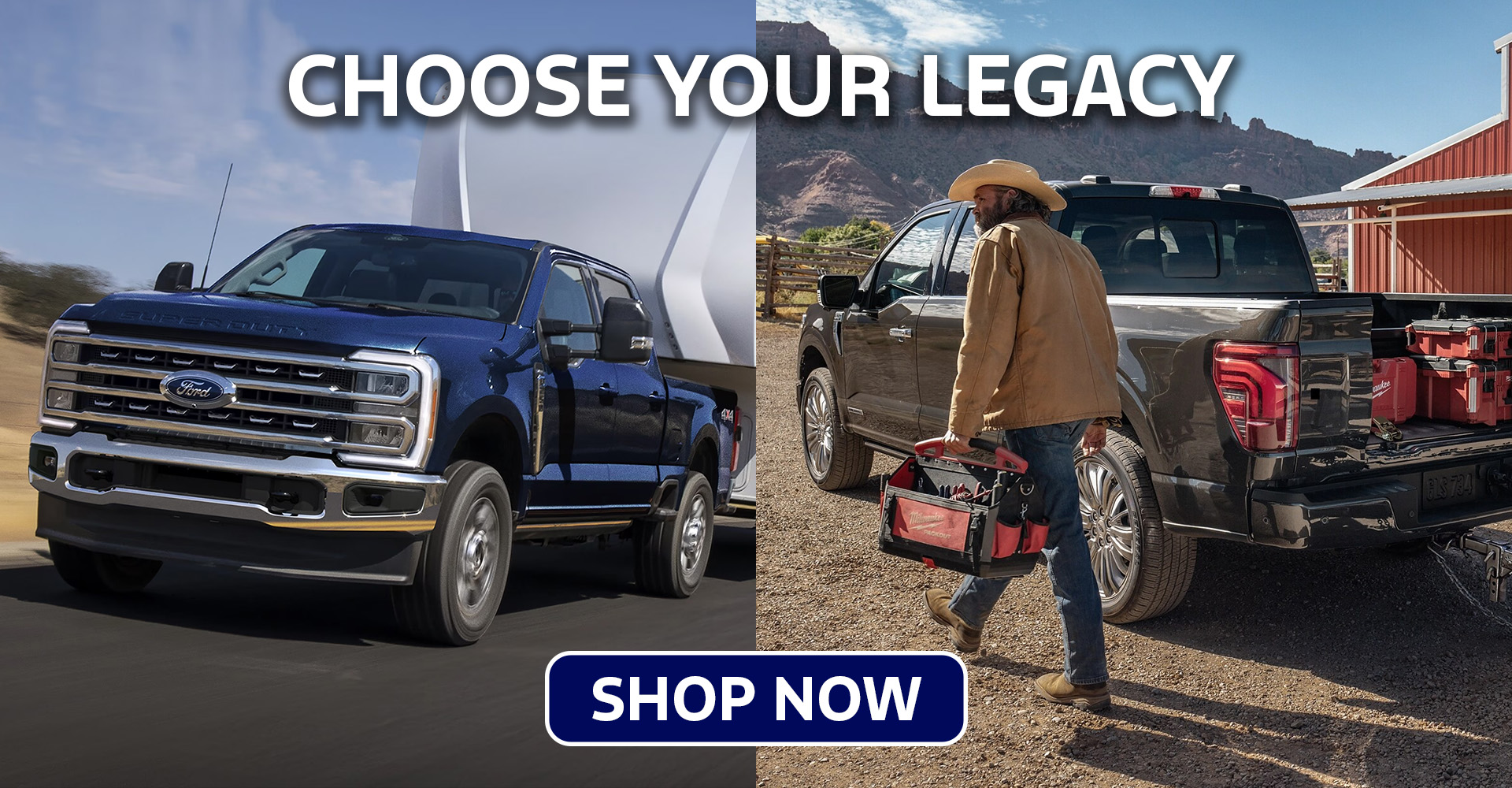
Which Trim is Right for You?
When it comes to premium pickup trucks, the Ford F-150 Platinum vs. King Ranch debate is one many truck enthusiasts are familiar with. These top-tier trims offer a seamless blend of power, comfort, and style, making them standout choices in the Ford truck lineup. Whether you’re eyeing the versatile Ford F-150 or the work-ready Ford F-250, choosing between these trims comes down to your lifestyle, preferences, and performance needs. Head to Preston Ford Commercial Vehicle Center to shop America’s Favorite Truck today.
Introduction to Ford F-150 Trims
The Ford F-150 has long stood as a benchmark in the truck industry. Known for its durability, innovation, and versatility, it continues to lead as America’s best-selling truck. Among the most luxurious options are the Ford F-150 Platinum vs. Ford F-150 King Ranch trims, delivering elevated experiences for drivers who demand more than just utility. These two trims cater to a range of preferences—from the rugged ranch aesthetic to urban sophistication—while maintaining the power and practicality the Ford F-150 is known for.
Trim Level Overview: Platinum vs. King Ranch
The Ford F-150 Platinum vs. King Ranch trim level comparison highlights two luxurious yet distinct personalities within the Ford F-150 lineup. The Platinum trim exudes refinement, featuring bright satin chrome finishes and interiors wrapped in premium Black or Dark Marsala leather. It’s tailored for drivers who desire a sleek, modern truck that feels equally at home cruising through the city or tackling long highway drives. In contrast, the King Ranch trim pays homage to its Western heritage with signature Kingsville leather, rustic design accents, and a two-tone exterior that commands attention. Ideal for those who value both rugged charm and upscale comfort, the King Ranch blends practicality with bold styling. Key differences include the Platinum’s urban elegance, satin chrome details, and darker leather interior, while the King Ranch offers a ranch-inspired aesthetic, distinct KR branding, and unique two-tone paint options that reflect its hardworking legacy.
Features and Benefits
When comparing features and benefits, both the Platinum and King Ranch trims offer a premium experience tailored to different tastes. The Platinum trim stands out with heated and ventilated leather front seats, an optional head-up display for enhanced driving safety, and adaptive cruise control designed for long-haul comfort. Inside, it features unique genuine wood trim accents and an optional gloss black grille with a satin chrome surround, contributing to its sophisticated, urban look. Meanwhile, the King Ranch trim embraces its Western heritage with Kingsville leather-trimmed seats adorned with KR logos, a two-tone paint treatment, and a bronze-accented grille. It also offers optional 6-inch chrome running boards, power-deployable running boards, and distinctive Western-themed design elements that make it instantly recognizable. Both trims are equipped with Ford Co-Pilot360®, a comprehensive safety suite that includes Lane-Keeping Assist, Automatic Emergency Braking, and Blind-Spot Monitoring, ensuring that no matter your style preference, you won’t have to compromise on safety or functionality.
Performance and Capability
When it comes to performance and capability, both the Platinum and King Ranch trims are equipped with the powerful 3.5L EcoBoost® V6 engine, delivering impressive horsepower and torque. For drivers interested in enhanced efficiency, both trims also offer the optional 3.5L PowerBoost™ Full Hybrid V6, combining strength with fuel savings. These trucks can tow up to 13,500 pounds when properly equipped, making them ideal for hauling trailers, boats, or heavy equipment. While both trims are capable workhorses, the King Ranch trim offers a slightly higher payload capacity compared to the Platinum. Whether you’re taking on tough jobs or setting out for a weekend getaway, these trims offer the muscle and reliability you need.
Advanced Technology and Safety
In terms of advanced technology and safety, both the Platinum and King Ranch trims come equipped with the intuitive SYNC® 4 infotainment system, featuring a 12-inch touchscreen that provides seamless control over navigation, media, and connectivity. No matter which trim you choose, security and peace of mind come standard, thanks to features like keyless entry, remote start, and 360-degree cameras that ensure convenience and confidence behind the wheel.
Exterior and Interior Design
When it comes to exterior and interior design, each trim brings its own signature style to the table. The Ford F-150 Platinum trim is marked by bright satin chrome accents, an optional chrome single-bar grille, body-color side mirrors with skull caps, unique wood interior trim accents, and 20-in. polished aluminum wheels that add a sleek, urban touch. In contrast, the Ford F-150 King Ranch trim stands out with a chrome surround grille featuring bronze accents, available 6-in. chrome running boards, a distinctive two-tone paint job that nods to its Western heritage, and KR badging throughout the cabin. Despite their stylistic differences, both interiors are equally luxurious, offering heated and ventilated seating, ambient lighting, and power-adjustable pedals for a refined and comfortable driving experience.
Ford F-250 Platinum vs. King Ranch
The Ford F-250 Platinum vs. King Ranch comparison is equally compelling for those seeking even more muscle in their pickup. The Ford F-250 Platinum delivers the same luxurious feel as its F-150 counterpart but steps it up with heavy-duty towing capabilities, premium interior materials, and advanced trailering technology. On the other hand, the Ford F-250 King Ranch stays true to its ranching roots, offering bold Western styling and exceptional hauling performance, making it an ideal choice for owners with demanding workloads or agricultural needs. Both trims are available with powerful engine options, including the renowned 6.7L Power Stroke® Turbo Diesel V8, and boast enhanced towing and payload capabilities.
Choosing Between the Ford F-150 Platinum and King Ranch
The Ford F-150 Platinum vs. King Ranch trim level comparison highlights two luxurious yet distinct personalities within the F-150 lineup. The Platinum trim exudes refinement with bright satin chrome finishes and interiors wrapped in premium Black or Dark Marsala leather. Designed for drivers who seek a sleek, modern truck, the Platinum feels just as comfortable navigating city streets as it does cruising down the highway. On the other hand, the King Ranch trim pays tribute to its Western roots with signature Kingsville leather, rustic design accents, and a distinctive two-tone exterior that stands out in any setting. It’s the ideal choice for those who appreciate rugged charm combined with upscale comfort, offering a blend of practicality and bold, ranch-inspired style. The key differences lie in their design philosophy: the Platinum offers urban sophistication, satin chrome touches, and a darker leather interior, while the King Ranch embraces a heritage-driven aesthetic with KR branding and unique two-tone paint options that reflect its hardworking legacy.
Give Both Trims a Test
When it comes to top-of-the-line pickups, the choice between the Ford F-150 Platinum vs. King Ranch is all about aligning with your lifestyle and priorities. Both trims deliver an exceptional mix of power, luxury, and design, whether you’re drawn to the urban sophistication of the Ford F-150 Platinum or the rugged heritage of the Ford F-150 King Ranch. From the versatile Ford F-150 to the heavy-duty Ford F-250, each trim offers premium features tailored to different drivers. Ready to find the perfect match? Visit Preston Ford Commercial Vehicle Center and experience why Ford remains America’s Favorite Truck.
Ford Super Duty F-750 Dump Truck
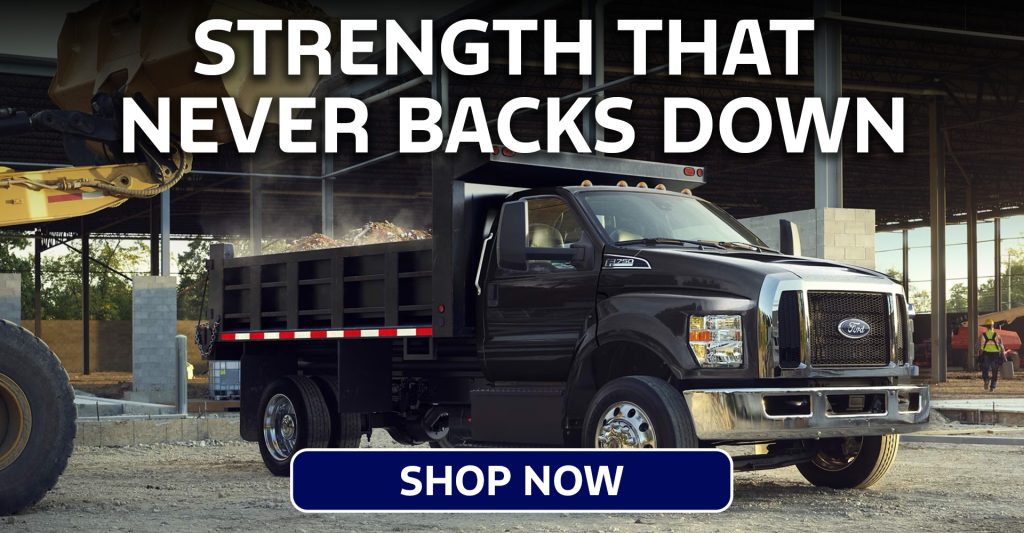
The Best Ford F-750 Super Duty Dump Truck for Heavy-Duty Construction Needs
When tackling the most challenging construction jobs, the Ford F-750 dump truck stands out as a leader. Engineered for durability, power, and efficiency, the Ford F-750 Super Duty delivers everything businesses need to stay productive and ahead of the competition. Whether you’re hauling heavy loads or navigating challenging terrain, the Ford F-750 4×4 offers the strength, stability, and advanced features that today’s job sites demand. Keep reading to learn more and head to Preston Ford Commercial Vehicle Center to shop our Ford F-750 inventory.
Engine Options and Performance
The Ford F-750 dump truck is built to perform under pressure. It offers two outstanding engine options:
- A 7.3L V8 gas engine, known for its class-exclusive power and rugged durability.
- A 6.7L Power Stroke® Turbo Diesel V8 engine, designed for maximum torque and efficiency in the most demanding conditions.
Both engines are engineered for heavy-duty performance, with robust transmission options that ensure smooth, confident power delivery. The available Ford TorqShift® HD 10-Speed Automatic Transmission, especially paired with the diesel engine, offers live-drive Power Take-Off (PTO) capability, allowing you to power auxiliary equipment even when the truck is stationary. Need extra energy for jobsite tools? The Ford F-750 dump truck offers powerful alternator options, including heavy-duty dual alternators with up to a combined 397 amps (gas engine) or 357 amps (diesel engine). Plus, Ford offers advanced fuel alternatives with the CNG/Propane Gaseous Engine Prep Package for the 7.3L V8 gas engine, and the diesel engine is B20-capable, helping your fleet run cleaner and more efficiently.
Safety Features
Safety is paramount, especially when managing heavy equipment. The Ford F-750 dump truck is equipped with cutting-edge safety technology, including:
- Forward Collision Warning with Brake Support
- Advanced Traction Control System
- Lane-Keeping Alert
- Available air brakes with traction control on diesel-powered models
The latest Ford Medium Duty trucks also feature a redesigned instrument cluster and panel center stack for enhanced convenience, along with available Ford Co-Pilot360® Driver-Assist Technologies. Features like Hill Start Assist, Pre-Collision Assist with Automatic Emergency Braking, Auto High-Beam Headlamps, and more help keep drivers aware and confident behind the wheel.
Transmission and Capabilities
The Ford F-750’s capabilities are enhanced by its robust transmission options and versatile axle configurations. The Ford TorqShift® HD 10-Speed Automatic Transmission, standard with diesel engines, offers live-drive PTO with split-shaft capability—ideal for construction equipment requiring dual PTO operations. Gas-powered Ford F-750 models feature the TorqShift® HD 6-Speed Automatic Transmission with stationary and mobile PTO modes, giving you flexible options depending on your operational needs. Thanks to its powerful drivetrain and rugged chassis, the Ford F-750’s towing capacity is exceptional, giving businesses the ability to haul significant loads with ease.
Ford F-750 Towing Capacity: Built for Big Jobs
When it comes to hauling serious weight, the Ford F-750 dump truck rises to the challenge. Engineered with a powerful drivetrain and rugged chassis, the Ford F-750 delivers outstanding towing capacity, making it the ultimate workhorse for moving heavy equipment, aggregates, and materials essential to construction projects. With a Gross Vehicle Weight Rating (GVWR) of up to 33,000 lbs. with the gas engine and up to 37,000 lbs. with the diesel engine, the Ford F-750 is built for big jobs without breaking a sweat. Both versions feature a 39.4-inch chassis height and standard 22.5-inch wheels for maximum stability and performance on any job site. Special GVWR ratings are available, including a 25,999-lb. limit for specific applications and up to 33,000 lbs. for those needing even greater capacity, though restrictions apply based on axle ratings. No matter the load, the Ford F-750 is ready to pull its weight — and then some.
Comfort and Technology Integration
The long days at the job site demand a comfortable, functional cab, which the Ford F-750 Super Duty delivers. Drivers enjoy features like:
- Ergonomic seating
- Ample legroom
- Intuitive instrument panels
Technology integration is a key advantage, helping drivers stay connected and focused. Ford Co-Pilot360® Technologies provide added driver confidence, while options like advanced navigation and communication systems reduce fatigue and enhance productivity. Driver-Assist Packages make every journey safer and more efficient, whether navigating city streets or rural job sites.
Construction and Durability
Durability is at the heart of the Ford F-750 Dump Truck’s design. Built on a high-strength steel frame engineered in collaboration with leading upfitters, the Ford F-750 requires minimal modifications for vocational bodies, reducing costs and downtime. Rear axle options from Dana Spicer®, including the 23,000-lb. Spicer® rear axle, offer superior strength and quiet operation. Available synthetic lubrication further enhances axle durability, extending service intervals and minimizing maintenance. Additionally, features like the Operator-Commanded Regeneration system and Intelligent Oil-Life Monitor® (diesel engines) help maintain optimal vehicle performance, ensuring that your Ford F-750 stays on the road and out of the shop.
Features and Specifications
The Ford F-750 isn’t just a tough truck — it’s a wise investment:
- Work-ready frames designed for easy fitting
- Powerful 7.3L V8 gas or 6.7L Power Stroke® Turbo Diesel engines
- High alternator output options
- Advanced PTO capabilities
- Comprehensive driver-assist technologies
With its robust build and thoughtful design, the Ford F-750 dump truck is tailored for the demands of modern construction fleets. The Adaptive Cruise Control and other advanced features elevate the truck’s capabilities to a new level, ensuring superior functionality and safety.
Visit Preston Ford Commercial Vehicle Center
Ready to experience the unbeatable power, reliability, and capability of the Ford F-750 Dump Truck? Visit Preston Ford Commercial Vehicle Center today. Our team of commercial vehicle experts can guide you through selecting the proper Ford F-750 configuration for your business needs and offer flexible financing and service options. We can help you determine if the Ford F-750 is the right fit for your business by comparing it to other options and providing firsthand experience of the truck’s features. Don’t settle for less — elevate your fleet with the dependable strength and anytime operational flexibility of the Ford F-750 dump truck. Shop now and drive your business forward.

All You Need to Know: Understanding Fleet Maintenance Planning and Scheduling
What is fleet maintenance, and why is it important? Fleet maintenance is the process of maintaining and repairing a fleet of vehicles to ensure they are in good working condition. A well-planned fleet maintenance program is essential for reducing maintenance costs, improving vehicle safety, and increasing fleet efficiency. For businesses that rely on vehicles to operate, fleet maintenance minimizes downtime and ensures compliance with regulatory requirements. Want to learn more about our fleet preventative maintenance program? Follow along and contact Preston Ford Commercial Vehicle Center for more information about fleet preventative maintenance!
Benefits of a well-planned fleet maintenance schedule program:
- Reduces maintenance costs by identifying and addressing potential issues before they become major problems.
- Improves vehicle safety by ensuring that vehicles are properly maintained and repaired.
- Increases fleet efficiency by minimizing downtime and ensuring vehicle availability.
- Extends the lifespan of fleet vehicles.
Types of Fleet Maintenance
- Preventive maintenance: Regular, scheduled maintenance tasks designed to prevent breakdowns and extend the lifespan of fleet vehicles. This approach includes routine inspections, oil changes, tire rotations, brake checks, and fluid top-offs. Preventive maintenance is proactive and aims to address potential issues before they escalate into costly repairs or downtime.
- Corrective maintenance: Reactive repairs performed to fix breakdowns or address issues that have already occurred. This type of maintenance is typically more urgent and costly as it involves fixing unexpected problems, such as engine failures or electrical malfunctions. Corrective maintenance is necessary when preventive measures fail or unforeseen issues arise.
- Predictive maintenance: A data-driven approach that leverages advanced analytics, sensors, and telematics to predict when maintenance is likely to be needed. By monitoring vehicle performance and analyzing data trends, fleet managers can identify potential failures before they happen. This method reduces downtime, optimizes resource allocation, and extends vehicle longevity by addressing issues at the right time.

Assessing Your Fleet
Conducting a fleet assessment to identify maintenance needs:
- Evaluate the age, condition, and usage of each fleet vehicle.
- Identify any maintenance or repair needs for each vehicle.
- Determine the maintenance history of each vehicle.
Collecting and analyzing fleet data for informed decision-making:
- Collect data on vehicle usage, maintenance history, and repair needs.
- Analyze data to identify trends and patterns.
- Use data to inform maintenance decisions and optimize fleet maintenance operations.
Creating a Fleet Preventive Maintenance Program
Components of a fleet preventive maintenance program:
- Maintenance schedule: A detailed timetable that outlines regular maintenance tasks for each fleet vehicle. This schedule should be tailored to the specific needs of each vehicle based on factors such as mileage, age, and manufacturer guidelines.
- Maintenance tasks: Specific actions such as oil changes, tire rotations, brake inspections, and fluid top-offs should be categorized by frequency—daily, weekly, monthly, or annually.
- Inspection checklist: A comprehensive list of items to be inspected during maintenance tasks. This can include checking tire pressure, examining brakes, inspecting lights, and ensuring proper fluid levels.
Setting maintenance intervals and creating detailed checklists:
- Determine optimal intervals: Assess the manufacturer’s recommendations, vehicle usage patterns, and environmental conditions to establish the ideal maintenance frequency for each vehicle.
- Create detailed checklists: Develop step-by-step checklists for each maintenance task to ensure consistency and thoroughness. This includes documentation for visual inspections, fluid level checks, and parts replacements.
Standardize procedures: Implement standardized procedures for common tasks to streamline operations and maintain quality control.

Assigning responsibility and documenting maintenance activities:
- Assign responsibilities: Designate specific individuals or teams to be accountable for carrying out maintenance tasks. This can include drivers, mechanics, or fleet managers.
- Track and document activities: Maintain detailed records of all maintenance activities, including the date, time, and nature of the work performed. This documentation is essential for tracking vehicle history, identifying recurring issues, and ensuring compliance with regulatory requirements.
Use digital tools: Leverage fleet management software to automate reminders, track progress, and generate reports for better oversight and analysis.
Developing an Effective Fleet Maintenance Strategy
A well-structured fleet maintenance program keeps vehicles in top condition while minimizing operational interruptions. Striking a balance between regular servicing and vehicle availability is crucial for maximizing uptime. Here’s how to create a successful fleet maintenance strategy:
- Evaluate Fleet Size and Usage Patterns: Assess the number of vehicles in your fleet and their usage frequency. High-mileage vehicles will require more frequent servicing compared to those used sporadically.
- Establish Maintenance Timelines: Design a schedule that aligns with manufacturer recommendations, vehicle workload, and environmental factors. Account for seasonal changes that can affect vehicle performance.
- Leverage Fleet Management Technology: Use fleet management software to monitor service history, plan upcoming maintenance, and track repair expenses. Set automated alerts to ensure timely inspections and repairs.
- Reduce Downtime with Strategic Scheduling: Plan maintenance during off-peak hours or stagger service times to keep essential vehicles operational. Prioritize servicing for high-use vehicles to maintain productivity.
- Track Performance and Adapt: Review vehicle performance data and maintenance records regularly to identify recurring issues. Make necessary adjustments to improve efficiency and prevent future breakdowns.
Implementing a Fleet Preventive Maintenance Plan
Using fleet management software to streamline maintenance operations:
- Track maintenance schedules, assign tasks, and document maintenance activities.
- Automate maintenance reminders and notifications to ensure tasks are not missed.
Fleet Maintenance Tools and Resources
Features of fleet maintenance software:
- Maintenance scheduling and tracking.
- Task assignment and management.
- Inspection checklists and reporting.
- Vehicle maintenance history tracking.
Vehicle maintenance checklist:
- Monthly tasks: Oil changes, tire pressure checks, brake pad inspections.
- Quarterly tasks: Air filter replacements, fuel filter replacements, spark plug replacements.
- Biannual tasks: Battery checks, wiper replacements, light and signal checks.
- Annual tasks: Timing belt replacements, water pump replacements, transmission fluid changes.
Stay Productive By Planning Ahead
Fleet maintenance is critical for businesses that rely on vehicles to operate. A well-planned fleet maintenance program can help to reduce maintenance costs, improve vehicle safety, and increase fleet efficiency. Regular maintenance is essential for ensuring compliance with regulatory requirements and minimizing downtime. If you’re ready to get the ultimate fleet maintenance plan, visit Preston Ford Commerical Vehicle Center today or contact us for more information!
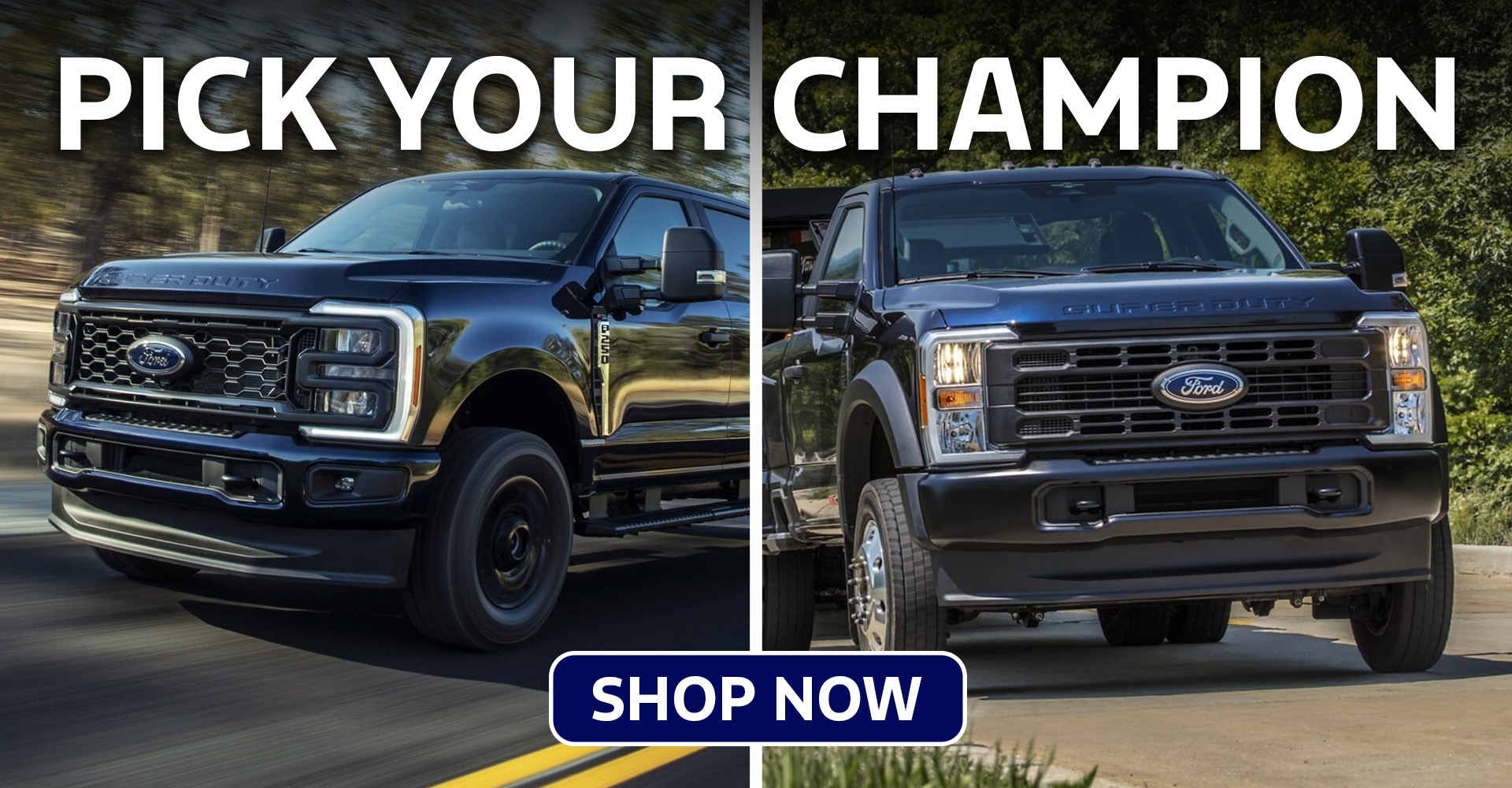
Ford Super Duty Model Comparison: Which One is Right for You?
When it comes to heavy-duty trucks, Ford’s Super Duty lineup stands out as a top choice. If you’re considering the Ford F-250 vs. F-350 from Preston Ford Commercial Vehicle Center, you might be wondering which one best suits your needs. While these two models share many similarities, they have some key differences that can impact performance, towing, payload capacity, and overall driving experience. Let’s take a closer look at what sets them apart and help you decide which one is the right fit for you.
Overview of the Ford F-Series
The Ford F-Series has long been a leader in the truck market, offering powerful, durable, and versatile options. The Ford F-250 vs. Ford F-350 are both built for heavy-duty tasks, making them popular choices for work and recreational use. These trucks are designed to handle tough jobs while maintaining a comfortable and feature-rich interior. Let’s get into what features set them apart!
Difference Between Ford F-250 and F-350
When choosing between the Ford F-250 vs. Ford F-350, it’s important to consider their key differences in capability and design. Both trucks are part of Ford’s Super Duty lineup, but the Ford Super Duty F-350 is built for heavier workloads. The Ford Super Duty F-250 offers a maximum payload capacity of up to 4,323 lbs. and a towing capacity of up to 22,000 lbs., making it a solid choice for moderate towing and daily work. In contrast, the Ford F-350 boasts a higher payload capacity of up to 14,000 lbs. and an impressive towing capacity of up to 38,000 lbs., making it ideal for heavy-duty towing and commercial applications. Another key difference is the rear axle; while the Ford Super Duty F-250 comes with a Single Rear Wheel (SRW) setup, the Ford Super Duty F-350 offers the option for a Dual Rear Wheel (DRW) configuration for enhanced stability and strength. The Ford Super Duty F-350 also features a more robust suspension system, making it better suited for demanding job sites. Whether you need a truck for everyday work or extreme towing power, understanding these differences can help you choose the right Ford Super Duty model for your needs.
Engine Options
Both the Ford F-250 vs. Ford F-350 come with multiple engine choices, allowing you to select the power level that fits your needs. Options include:
- 6.7L Power Stroke V8 Turbo Diesel: Ideal for those needing maximum towing capacity and torque.
- 7.3L V8 Gas Engine: Offers a balance of power and durability.
- 6.2L V8 Gas Engine: A reliable and budget-friendly option
Ford F-250 vs. F-350 Towing Capacity
Towing is a major consideration when choosing between the Ford F-250 vs. F-350. While both trucks are designed to tow heavy loads, the Ford F-350 has a higher towing capacity.
- Ford F-350 Towing Capacity: Up to 25,000 pounds with a conventional hitch and up to 38,050 pounds with a gooseneck.
- Ford F-250 Towing Capacity: Maximum towing capacity of 22,000 pounds.
The Ford F-350’s enhanced towing capabilities may be a deciding factor for those frequently hauling heavy trailers.
Ford F-250 vs. F-350 Frame Differences
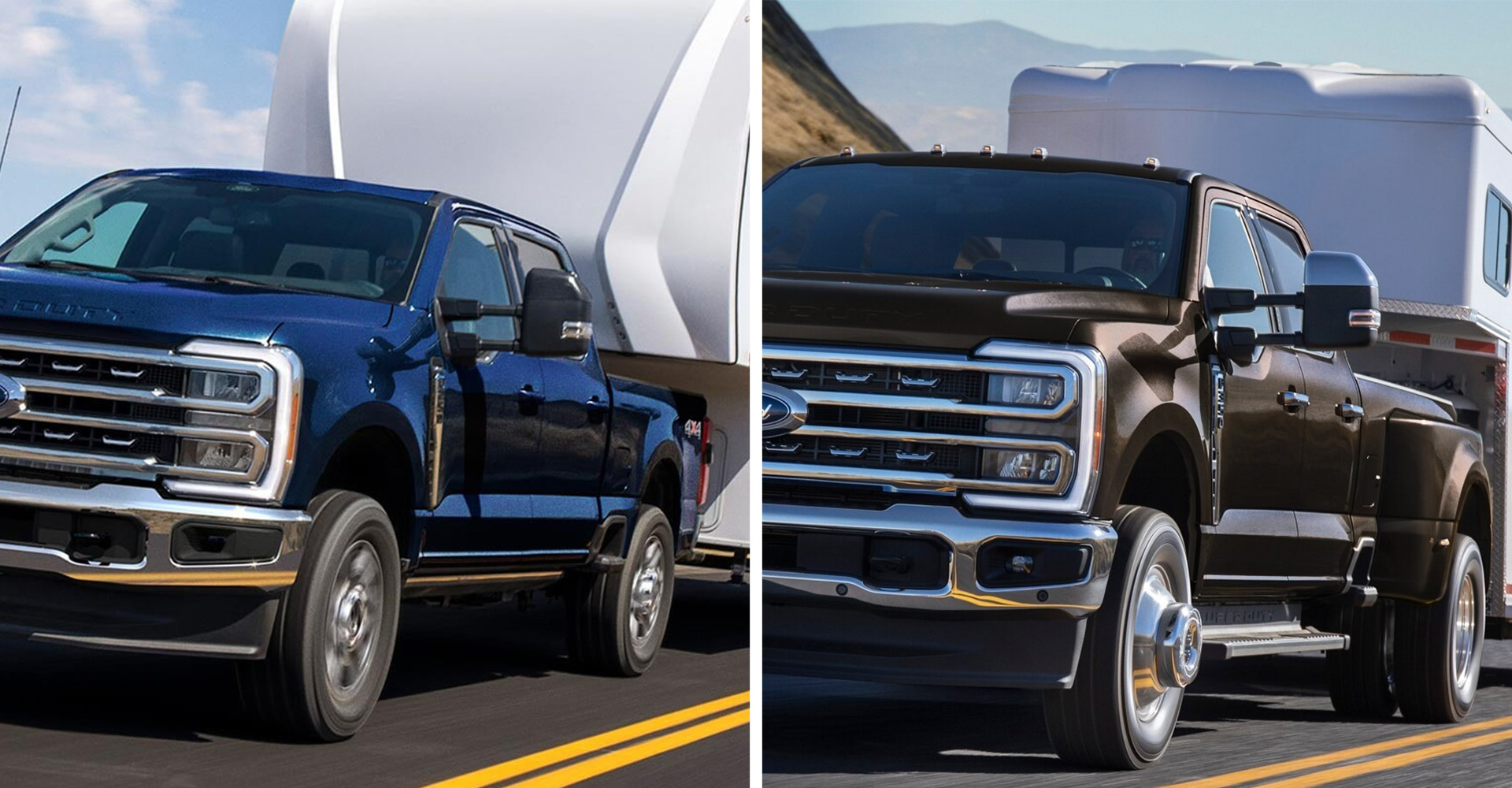
One of the biggest differences between the F-250 vs. F-350 frame is the rear axle and suspension setup.
- The Ford F-250 typically has a 3.55 rear axle ratio.
- The Ford F-350 features a 3.73 rear axle, providing greater load support and towing stability.
This difference plays a crucial role in the truck’s ability to handle heavier loads and maintain stability under pressure.
When comparing the Ford F-250 vs. F-350 frame, the Ford F-350 generally has a stronger and more reinforced frame designed to support higher payload and towing capacities. The Ford F-350 frame is built with more robust materials, which enhances durability and structural integrity when carrying heavier loads. Additionally, the Ford F-350 is often available in both Single Rear Wheel (SRW) and Dual Rear Wheel (DRW) configurations, giving it an advantage in weight distribution and stability. The Ford F-250 frame, while still highly durable, is slightly lighter and optimized for everyday use with moderate towing and hauling demands. Choosing between the two depends on whether you need the added strength and stability of the Ford F-350’s heavier-duty frame or the more balanced, versatile frame of the Ford F-250.
Interior and Features
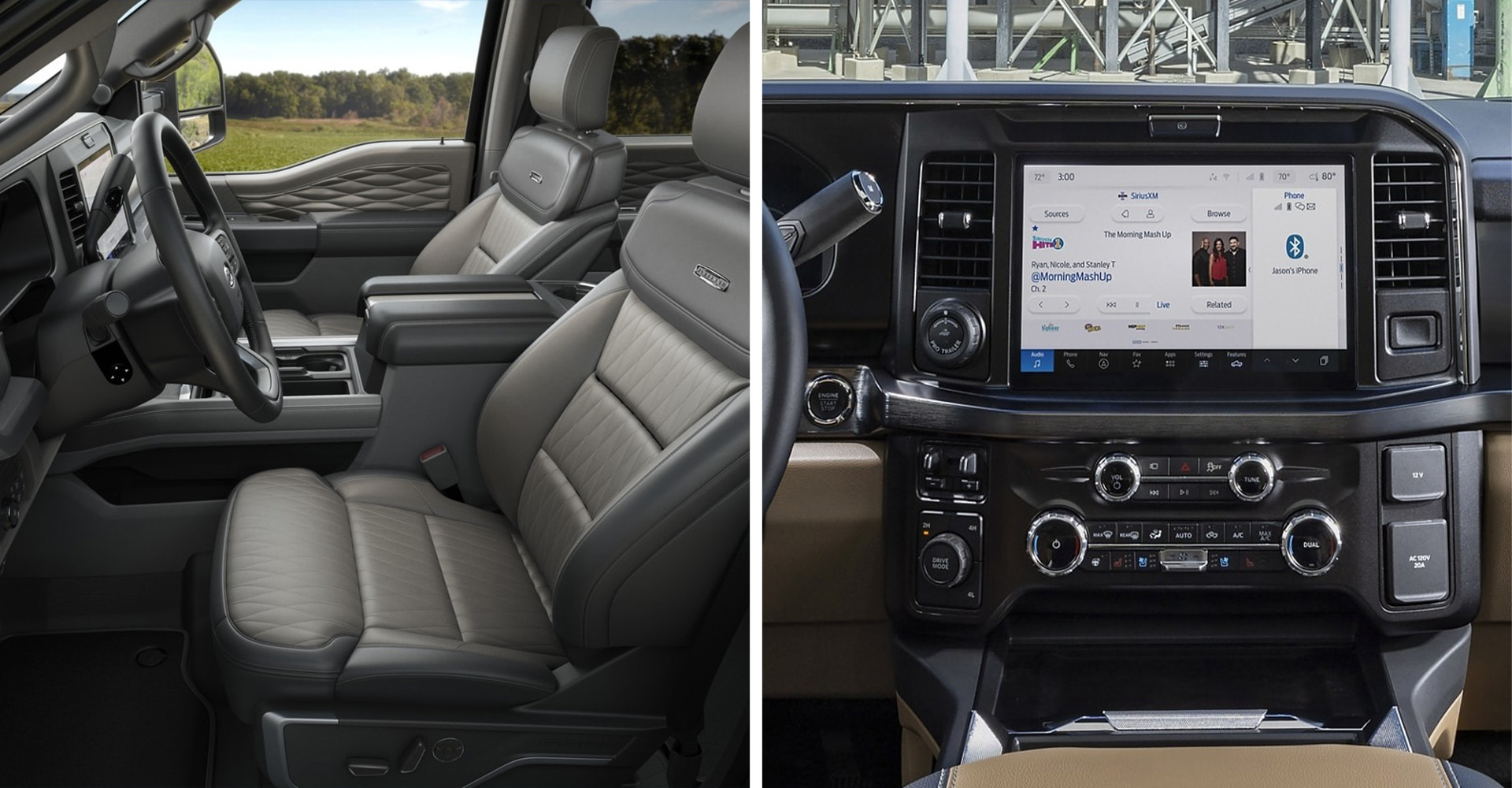
The Ford F-350 work truck is designed to combine durability, functionality, and modern technology, making it a dependable choice for demanding work environments. Its exterior features a rugged body built to withstand tough job sites, along with integrated box side steps and rear corner bumper steps for improved accessibility. With various exterior colors and trim options, businesses can customize the truck to align with their branding. Inside, the Ford Super Duty F-350 offers a practical and comfortable cabin layout, with easy-to-clean vinyl floors, seats, and multiple storage compartments for enhanced organization. Advanced technology enhances the driving experience, including 5G Wi-Fi connectivity, the standard SYNC® 4 system with an 8-inch LCD touchscreen, and convenient power windows and locks. Opting for the fully equipped Ford F-350 Platinum gives you a 12-inch Digital Instrument Cluster with Head-Up Display. These features ensure that the Ford F-350 delivers on performance and provides comfort and connectivity for drivers on the go.
Both models come equipped with Ford’s modern technology and comfort features. However, the Ford F-350 often includes additional premium options.
- The Ford F-350 offers a larger touchscreen display and more upscale materials in higher trims.
- The Ford F-250 provides a solid and comfortable interior, though with fewer high-end features.
Exterior and Design
The Ford F-250 vs. F-350 look similar, but the Ford Super Duty F-350 often has a more rugged and aggressive appearance. Both offer various trim levels, wheel designs, colors, and LED lighting options.
F-250 vs. F-350 Ride Quality
When comparing F-250 vs. F-350 ride quality, the Ford Super Duty F-250 typically offers a smoother and more comfortable ride. Since the Ford Super Duty F-350 has stiffer suspension components designed to support heavier loads, it may feel rougher when driving without a heavy payload. However, both models provide a stable and secure driving experience. The Ford Super Duty F-250’s suspension is optimized for a balance of comfort and capability, making it a great choice for those who don’t need the extreme towing and payload capacities of the Ford Super Duty F-350. Meanwhile, the Ford F-350’s suspension, while more rigid, ensures durability and enhanced stability under significant loads, making it better suited for heavy-duty applications.
Maintenance and Repair
Regular maintenance is crucial for both models to ensure longevity and peak performance. Routine services include:
- Oil changes
- Tire rotations
- Brake pad replacements
Repair costs can vary based on the model year and specific issues, but Ford’s dealership network offers strong support for both trucks. Schedule an appointment with our team today!
Off-Road Capability
If you plan to take your truck off-road, both models offer solid performance with available four-wheel drive and traction control systems. However, the Ford F-350 tends to have more advanced off-road capabilities, including an aggressive suspension and larger tires, making it better suited for rugged terrain.
Choosing the Right Model
So, which truck is right for you? The choice between the Ford F-250 vs. F-350 depends on your specific needs.
- Choose the Ford Super Duty F-250 if you need a durable, capable truck for work or play but don’t require the extreme towing and payload capabilities of the Ford F-350.
- Choose the Ford Super Duty F-350 if you frequently tow heavy loads, require a higher payload capacity, and need a more robust rear axle and suspension system.
Both trucks are excellent options, and your decision should be based on how you plan to use the vehicle. Whether you prioritize towing, ride comfort, or budget, both the Ford F-250 and F-350 offer exceptional power and reliability. Still unsure? Visit Preston Ford Commercial Vehicle Center for a test drive and see firsthand which Super Duty truck best suits your needs!

Top Picks for Your Business Needs
When it comes to running a small business, having the right vehicle can make a significant difference in your productivity and bottom line. For businesses that require the transport of goods, tools, or equipment, a cargo van offers the perfect combination of space, versatility, and cost-efficiency. Whether you need a vehicle for deliveries, contractors, or construction work, choosing the best cargo van for your business can elevate your operations. Here’s a guide to help you find the best cargo van for your small business. Keep reading to learn more, and shop now at Preston Ford Commercial Vehicle Center!

Benefits of Cargo Vans for Small Businesses
Versatility and Efficiency
Cargo vans are an excellent choice for small businesses because they offer a unique balance of maneuverability, fuel economy, and cargo handling capacity. With ample space for equipment, supplies, or deliveries, cargo vans make it easier for businesses to manage their daily operations.
They provide a cost-effective solution for businesses that need to transport items regularly. One of the key benefits is their ability to handle larger volumes of goods, reducing the need for multiple trips. Furthermore, the versatility of these vans allows for customization, making them suitable for various industries.
Maximum Cargo Space
Cargo vans come in various sizes, allowing you to choose the best option based on your needs. The total cargo space is typically measured in cubic feet, giving you a clear idea of how much room you’ll have to transport goods.
Additional Branding Opportunities
Cargo vans also provide great branding opportunities, allowing businesses to transform their vehicles into moving advertisements. The large, blank sides and back end of these vans make for perfect spaces to showcase logos, contact information, and unique designs.
Increase Productivity with Ample Cargo Space
Cargo vans come in various sizes to suit different needs. Whether you’re delivering packages, hauling construction materials, or transporting tools, there’s a cargo van that fits your business requirements.
Ford Transit Passenger Van
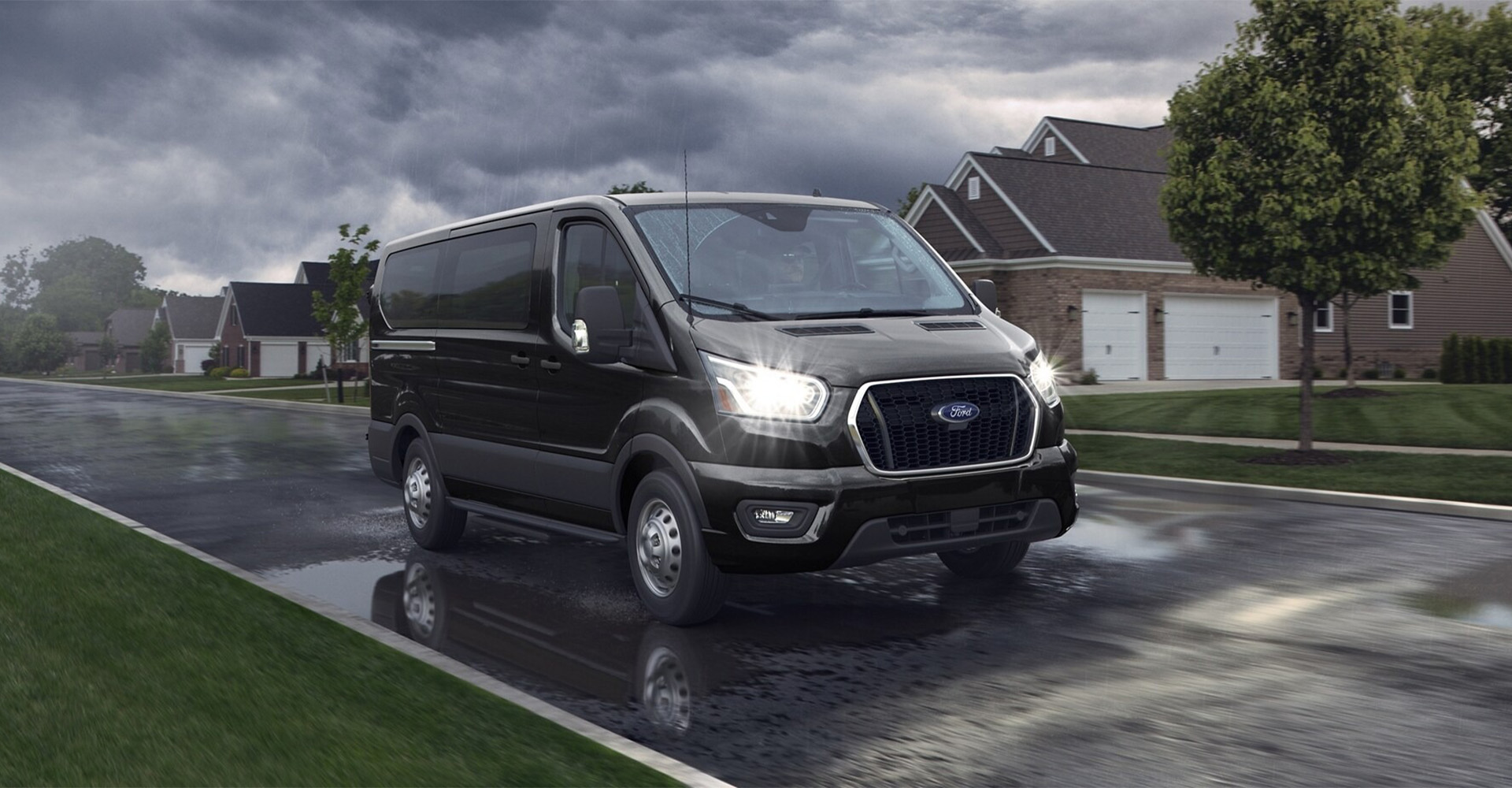
The Ford Transit Passenger Van is an industry leader for small businesses and one of the best work vans for contractors. This vehicle offers several configurations, including options for roof height, cargo space, and seating capacity. Notable features include:
- Engine Options: Choose between a 3.5L PFDi V6 with 275 horsepower or a 3.5L EcoBoost® V6, offering 310 horsepower and 400 lb.-ft. of torque.
- Towing Capacity: With a towing capacity of up to 4,500 lbs, this van can handle a variety of tasks.
- Payload Capacity: It offers a maximum payload weight of 3,475 lbs., ensuring you can haul significant loads.
- Intelligent All-Wheel Drive: Available for enhanced handling, especially in challenging weather conditions.
Ford Transit Cargo Van
Looking for the best cargo van for delivery? The Ford Transit Cargo Van is engineered for efficiency and safety, featuring an impressive suite of standard features. It comes equipped with Ford Pro™ Telematics, allowing fleet managers to track vehicle performance, while the advanced driver-assist technologies, like Lane-Keeping System, Post-Collision Braking, and Pre-Collision Assist with Automatic Emergency Braking (AEB), enhance safety on the road. The van also boasts a 10-speed automatic transmission for smooth, responsive driving, and features such as Automatic Rain-Sensing Windshield Wipers, Forward Collision Warning, and Adaptive Cruise Control with Adjustable Speed Limiting Device (ASLD) for added convenience. With Hill Start Assist and a Rear View Camera with Trailer Hitch Assist, the Ford Transit® Cargo Van ensures a safe, comfortable ride whether navigating city streets or handling heavy loads.
Ford E-Transit Cargo Van
For businesses looking to transition to environmentally friendly alternatives, the Ford E-Transit Cargo Van is an excellent choice. With a fully electric engine, this model eliminates fuel costs and reduces your carbon footprint. Key features include:
- Range: Up to 159 miles on a single charge, making it ideal for urban deliveries.
- Max Payload: Up to 3,249 lbs. in the cargo van version, with even more capacity in other configurations.
- Upfit Options: Customize the interior to fit specific needs, whether for tools, equipment, or deliveries making it the best work van for construction.
Key Features to Consider
Safety Features
Modern cargo vans are equipped with essential safety features, such as anti-lock brakes, airbags, and electronic stability control. For added peace of mind, many models offer modern driver-assist systems such as Lane-Keeping Assist and Blind-Spot Monitoring.
Efficiency and Cost
Fuel efficiency is crucial for small businesses operating on a tight budget. When evaluating cargo vans, look for the EPA-claimed gas mileage and consider the long-term cost-effectiveness. With the recent popularity of electric vehicles, the Ford E-Transit Cargo Van offers an eco-friendly solution for businesses looking to save on fuel and reduce emissions.
Choosing the Right Cargo Van for Your Business
Assessing Your Business Needs
Choosing the right cargo van for your business depends on several factors. Start by considering:
Evaluating Cargo Van Options
Take time to evaluate the total cost of ownership, including fixed costs (e.g., loan payments) and variable costs (e.g., fuel, insurance). Upfit options are also essential to consider, as they allow you to customize the van to fit your industry’s needs.
Maintenance and Repair
Maintenance costs vary depending on the vehicle. Electric vans like the Ford E-Transit generally require less maintenance than gasoline-powered models. Make sure you have access to repair services in your area, whether for traditional engines or electric vehicles.
Additional Considerations
Upfits and Customization
Upfitting options are available for various cargo van models and industries. Shelving units, tool organizers, refrigeration units, and cargo racks are just a few examples of how you can optimize your van’s storage space. When making your decision, keep in mind the cost and availability of these fitting options.
Get Yours Today
The best cargo van for your small business depends on your specific needs, whether you require a van for deliveries, contractor work, or construction. Options like the Ford Transit Cargo Van and Ford E-Transit offer flexibility, cargo space, and fuel efficiency. By considering factors such as cargo capacity, towing requirements, and customization options, you can select a work van that will increase your business’s efficiency and productivity.
At Preston Ford Commercial Vehicle Center, we offer a range of cargo vans to fit every business need. Reach out today to learn more about our commercial vehicles and find the best cargo van for your small business!
Connect with us

